Skip to content

Dog Quality of Life Calculator

A gentle daily check-in. A clearer conversation with your veterinarian.

HHHHHMM-inspired caregiver assessment • 0 = worst, 10 = best

Seven Areas of Wellbeing

Example scores shown. Replace them with your observations for today.

/ 10

Is pain controlled and breathing comfortable?

Needs supportComfortable
Observation guide

Watch resting posture, panting at rest, restlessness and reluctance to be touched. These signs have many causes; a quiet dog can still be uncomfortable. Discuss changes with your veterinarian. Rate the current situation including agreed support: 0 is the worst you observe; 10 is the best. This is an observation, not a diagnosis.

/ 10

Can your dog eat enough comfortably?

Needs supportComfortable
Observation guide

Consider appetite, swallowing, reaching the bowl and support in the agreed care plan. Record changes from your dog’s usual meals. Do not force-feed or change treatment based on this score. Rate the current situation including agreed support: 0 is the worst you observe; 10 is the best. This is an observation, not a diagnosis.

/ 10

Is fluid intake adequate with the care plan?

Needs supportComfortable
Observation guide

Consider drinking, food moisture and your veterinarian’s assessment. Skin elasticity alone is unreliable in older dogs. Fluid treatment requires veterinary guidance. Rate the current situation including agreed support: 0 is the worst you observe; 10 is the best. This is an observation, not a diagnosis.

/ 10

Can your dog stay clean, dry and comfortable?

Needs supportComfortable
Observation guide

Check bedding, urine or stool soiling, skin irritation and pressure points, especially when your dog lies down for long periods. Note new wounds or elbow swellings for your veterinarian. Hygromas are fluid-filled pressure-point swellings, not simply another name for pressure sores. Rate the current situation including agreed support: 0 is the worst you observe; 10 is the best. This is an observation, not a diagnosis.

/ 10

Is there interest in you and favorite activities?

Needs supportComfortable
Observation guide

Compare with your own dog’s normal behavior: a relaxed greeting, interest in a favorite toy or enjoyment of gentle company. A tail wag alone does not prove comfort. Quiet engagement counts; do not require an older dog to play or greet at the door. Rate the current situation including agreed support: 0 is the worst you observe; 10 is the best. This is an observation, not a diagnosis.

/ 10

Can your dog rise and reach a toileting area?

Needs supportComfortable
Observation guide

Observe getting up from bed, walking on secure footing, going outside to toilet and using stairs if needed. Do not test painful stairs or force movement. Include comfort with agreed assistance, ramps or a support harness; needing help does not by itself mean poor quality of life. Rate the current situation including agreed support: 0 is the worst you observe; 10 is the best. This is an observation, not a diagnosis.

/ 10

Are comfortable days outweighing difficult ones?

Needs supportComfortable
Observation guide

Use a consistent observation period and a journal. Include comfort, rest, enjoyable contact and access to essentials. The day label records your experience; it is not inferred from the total. Rate the current situation including agreed support: 0 is the worst you observe; 10 is the best. This is an observation, not a diagnosis.

Use observations from the same period each day.

Result

Today’s quality of life score

49 / 70

A starting point for your veterinary discussion.

Above the scale’s reference threshold
7 / 7Areas rated
7 / 10Lowest area
TodayCheck-in
Your score: 49 / 70Reference threshold: 35 (Villalobos)
03570

A high total cannot cancel out pain or breathing difficulty.

Comfort & Care Priorities

Stethoscope

Comfort first

Discuss pain and breathing with your veterinarian.
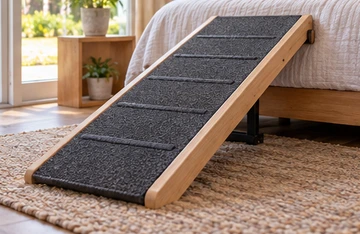
Accessible dog bed and nonslip ramp

Make essentials easy to reach

Keep bowls, a cushioned bed and a toileting route easy to reach. Nonslip footing and an agreed ramp or assistance can help.
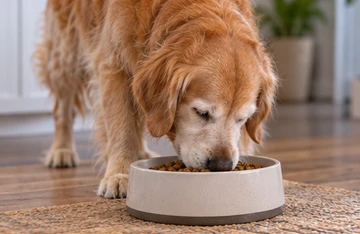
Food and water bowls

Keep a consistent care routine

Predictable routines can help your dog feel more secure and comfortable.

A relaxed senior golden retriever receiving gentle care on a cushioned bed

You know your dog best. You do not have to make difficult decisions alone.

Good Days & Difficult Days

No recorded check-ins yet.

Saved on this device. Not synced or sent to your veterinarian.

Saved check-ins & journal controls

Breathing distress, collapse or uncontrolled pain? Seek urgent veterinary care regardless of the score.

Understanding the score

Seven areas × 0–10 points = a total out of 70. The Villalobos framework uses a total above 35 as a reference for hospice care. Review individual concerns and changes with your veterinarian.

Not a diagnosis or a decision about euthanasia.

What do the colors mean?

Color gradually shifts with the score. Areas below 5 receive a discussion flag; this is an interface prompt, not a validated clinical cutoff. A rating of 0 or reported urgent signs strengthens the red alert. A high total never provides clinical clearance.

About this adaptation

HHHHHMM was developed by Dr. Alice Villalobos. This independent educational adaptation uses the published 0–10 ratings. It is not claimed to be a validated canine clinical instrument. Guidance is paraphrased; sources are linked below.

FAQ

Can a total score decide what to do?

No. It organizes observations for your veterinarian. Diagnosis, comfort, individual needs and response to care all matter. The tool cannot decide about treatment or euthanasia.

How often should I assess my dog?

Agree on a schedule with your veterinarian. Consistent observation periods and a good/difficult day journal help describe changes. Do not wait for another score if urgent signs appear.

Can a high total hide a serious concern?

Yes. Low observations are flagged separately. Breathing distress, collapse or uncontrolled pain requires urgent veterinary care regardless of the total.

Are the initial scores observations of my dog?

No. The seven 7-point values are an editable example. Replace them with your own observations. Care focus tabs do not diagnose or fill in scores.

Where is my journal stored?

Only in this browser’s local storage after you select Save check-in. It may disappear if browser data is cleared. It is not a medical record or backup. Download a separate text copy; this module does not send notes to a server.

Does supported feeding or movement mean poor quality of life?

Not necessarily. Rate comfort with the care you and your veterinarian have agreed. Ask about the benefits and burden of any support.

Sources & References

Further reading: AAHA quality-of-life guidance · Merck: canine pressure-point swellings.

Educational adaptation. References do not imply endorsement. Sources checked October 15, 2026. No clinical review is claimed.

↗ Biology

A gentle daily check-in. A clearer conversation with your veterinarian.

Page information

Updated: October 10, 2026