

Dog Raisin & Grape Toxicity Calculator
Record the exposure. Get help early.
No known safe dose. Contact your veterinarian now — do not wait for symptoms.
Exposure Details
Exposure Summary & Next Steps
A low number cannot rule out kidney injury.
Act Now
- Remove access and save the packaging.
- Call your veterinarian or poison control now.
- Do not induce vomiting or give charcoal unless directed by a veterinary professional.
US-based services · fees may apply. Elsewhere, contact your local emergency vet.
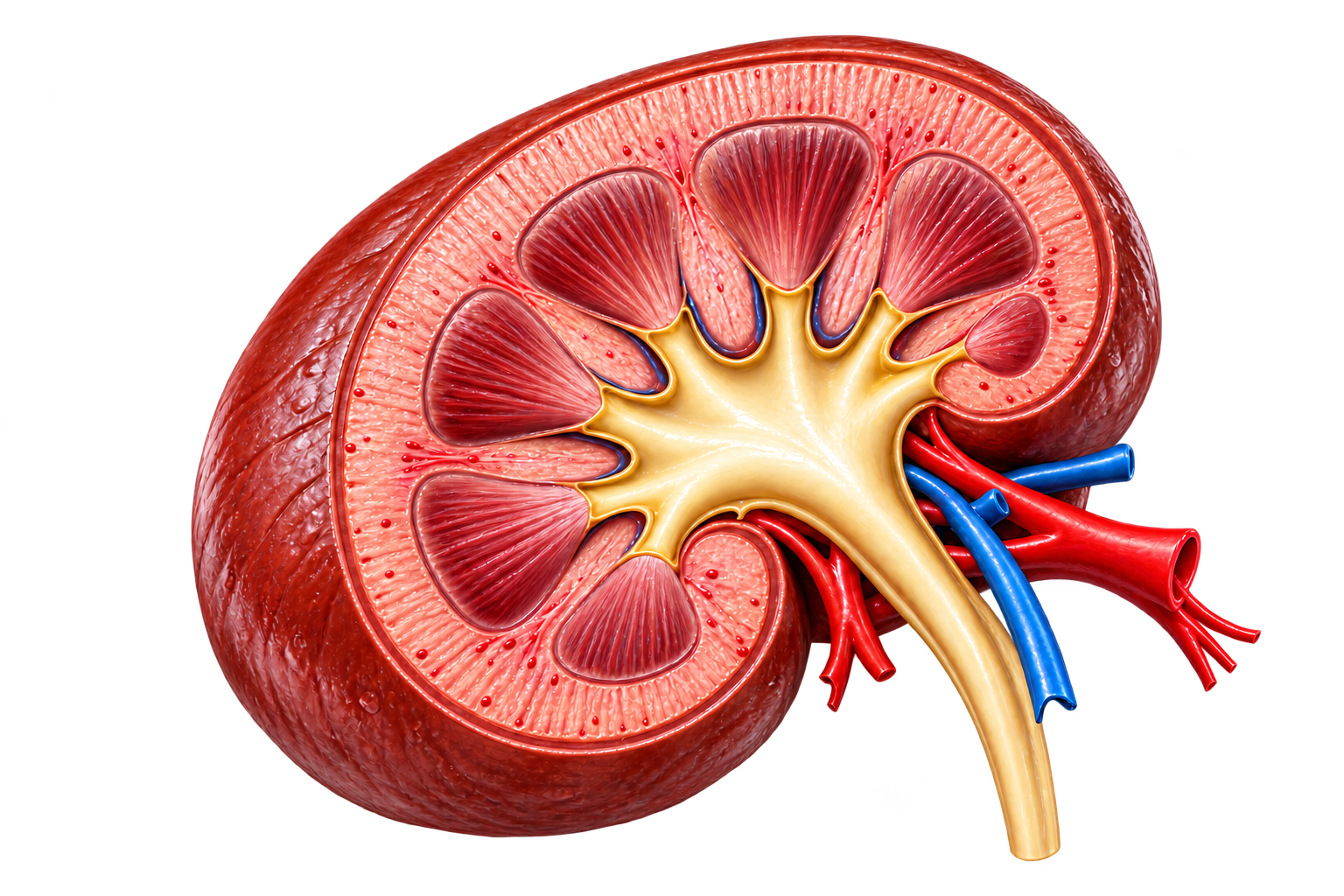
Why kidneys need monitoring


Symptoms may be delayed
Vomiting, appetite changes may occur.
Kidney injury may develop, even if your dog seems well.
Weakness or reduced urination needs urgent care.
Do not wait for this timeline before calling. Timing varies between dogs.
Common items that contain grapes
What the estimate can tell you
Exposure = known fruit ingredient grams ÷ body weight kg. This estimates material exposure. No safe dose is known and individual sensitivity varies.
Calculations & important limitations
Piece count × entered average piece weight estimates fruit mass. A known meal mass percentage can be used with a meal weight. Unknown quantities produce no numeric exposure.
Tartaric acid and its salt potassium bitartrate are considered the most likely cause. Content varies across fruit and products. No validated individual risk score, raisin-to-grape potency multiplier, “safe number of pieces” or kidney-injury prediction is calculated.
Cooking or baking does not make raisins safe. These calculations concern grapes and dried-grape products. Zante currants are dried grapes; true black/red currants of the genus Ribes are different fruits.
Frequently asked questions
Is one grape safe?
No reliable safe amount is established for an individual dog. Any suspected ingestion warrants immediate veterinary or poison-control advice. A small number does not guarantee safety.
What if I do not know the amount?
Select “Amount unknown” and record the product, possible quantity and time. No numeric estimate will be shown. You can still download the summary and contact a professional immediately.
What should I tell the vet?
Give your dog’s weight, fruit/product type, known amount or piece count, when it happened, any repeated intake and symptoms. Keep the packaging. Do not wait for symptoms or attempt home treatment.
Is two hours a deadline for treatment?
No. Call immediately regardless of elapsed time. Fruit can remain in the stomach for several hours. A veterinarian will assess decontamination, fluids and monitoring. Activated charcoal’s effectiveness for grape/raisin poisoning is unknown; do not give it yourself.
Sources & References
 ASPCA Poison ControlExpert toxicology support for pet poisonings (US-based).
 Pet Poison HelplineVeterinary toxicology support (US-based; fees may apply).
 Cornell UniversityEducational resources on grapes and dogs.
Independent references, not endorsements or institutional review. Also consult the Merck Veterinary Manual grape and raisin toxicology reference.
Record the exposure. Get help early.