

Metabolic Age Calculator
Understand your device-reported age
Compare the reading on your body-composition report with your actual age.
Your Age Profile
Metabolic Age Comparison
3 years below your actual age
Your Age Comparison
The difference compares two ages; it does not measure biological aging.
Step-by-step solution
1. Calculate the difference
Difference = reported age − actual age
37 − 40 = −3 years
2. Read the sign
The reported age is 3 years lower.
Understanding the comparison
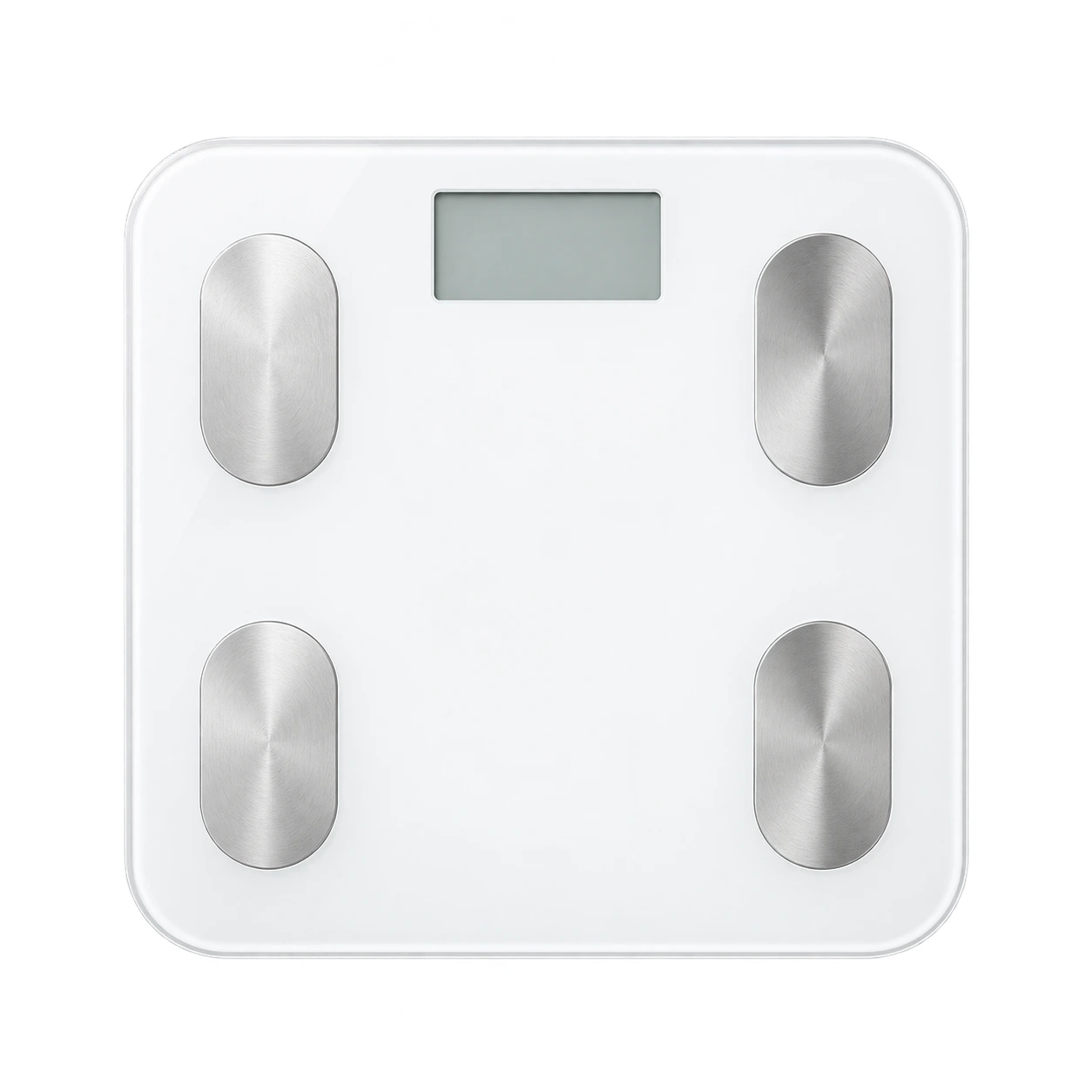
A device estimate
Metabolic age comes from the original device and its reference model.
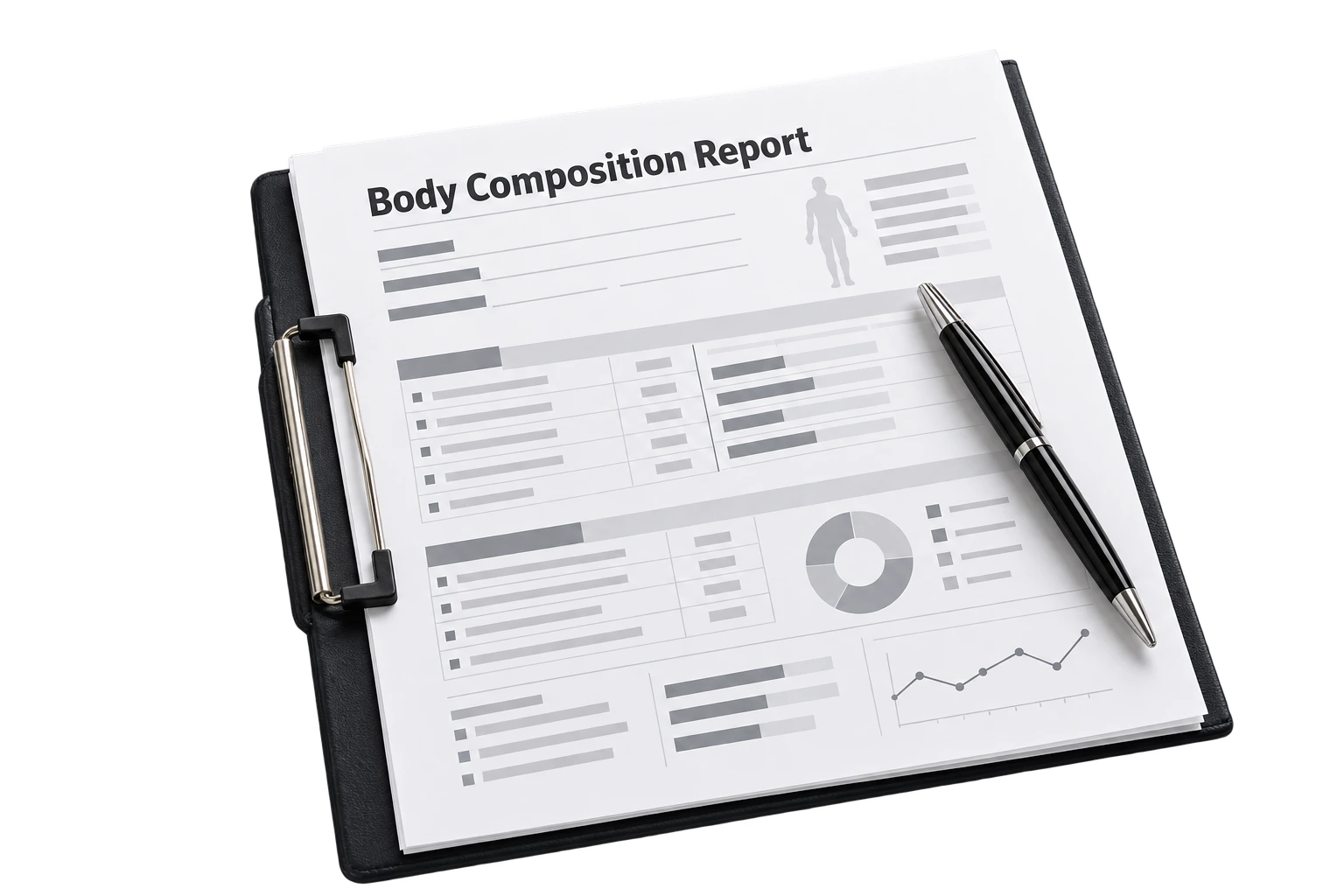
A numerical difference
See how many years the reported age is above or below your actual age.

One part of the picture
Consider the reading alongside other measurements and professional guidance.
Calculation & assumptions
This comparison uses the difference between your reported metabolic age and your actual age.
This comparison
37 years − 40 years = −3 years
The reported age is entered from an existing measurement. It is not predicted from chronological age.
Input scope & limitations
Adult actual ages: 18–120; reported ages: 1–120. Whole years only. These are software checks, not manufacturer limits or medical reference ranges. Device readings at a display limit may be capped; consult the original report. A lower value is not proof of better overall health or greater life expectancy.
Frequently asked questions
What does the Metabolic Age calculate?
This page compares a metabolic age already reported by a body-composition device with your chronological age. It calculates the difference in years; it does not predict metabolic age.
Which values should I enter?
Enter your actual age in completed years and the metabolic age shown on your device or report. Both must be whole numbers. The actual-age input is for adults aged 18–120; reported ages accept 1–120 as software limits, not validated medical ranges.
What formula does this calculator use?
Difference = reported metabolic age − chronological age. Mifflin–St Jeor estimates resting energy expenditure; this page does not use it to invent an age or reproduce a manufacturer’s reference model.
Why might my result differ from another source?
Devices can use different reference data and estimation methods. Compare readings from the same device under consistent conditions and consult its documentation. An age difference is not a diagnosis.
Does the result update automatically?
Yes. Editing either age updates the difference, comparison chart and worked solution immediately. Incomplete or invalid entries clear the previous results.
What does metabolic age mean?
TANITA describes its metabolic age as a comparison of estimated basal metabolic rate with age-group reference values. Definitions and reference methods depend on the device.
More questions (5)
Where can I find my reported age?
Look for Metabolic Age on your compatible body-composition scale, its app or its report. If it is not supplied, use an appropriate measurement service; this tool cannot produce a missing device reading.
Is metabolic age biological age?
This device-specific body-composition indicator is not a direct measurement of biological age or life expectancy. A lower reported age does not establish that every aspect of health is better.
Can a BMR equation calculate metabolic age?
A resting-energy prediction equation alone does not provide the manufacturer’s age-group reference model. Estimating BMR and then reversing the same equation is not an independent metabolic-age assessment.
What do negative, zero and positive differences mean?
Negative means the reported age is lower than actual age; zero means equal; positive means higher. These are numerical comparisons, not clinical risk categories.
Does this calculator use my weight or sex?
No. The comparison only needs the two ages. Your original device may use additional information; follow its instructions when taking the measurement.
Sources & References
Sources provide context, not endorsement. No institutional certification or expert review of this page is claimed.

Page information
Updated: October 26, 2026
Educational comparison of a supplied device reading.