

Alcohol Calories Calculator
Estimate the energy supplied by pure alcohol in your drink.
Choose one input route. Only the selected route is used.
Your drink details
Calculation assumptions
Ethanol density: 0.7893 g/ml at 20°C
Alcohol energy factor: 7 kcal/g
Volume mode uses this density estimate. Known-mass mode skips the density conversion.
Alcohol-only energy
Across 1 serving · 500 ml at 5% ABV
What this includes
Pure ethanol energy only
Sugar, other carbohydrates, cream and mixers can add calories.
Use the product nutrition label for the full drink total.
How is this calculated?
Equipment guide
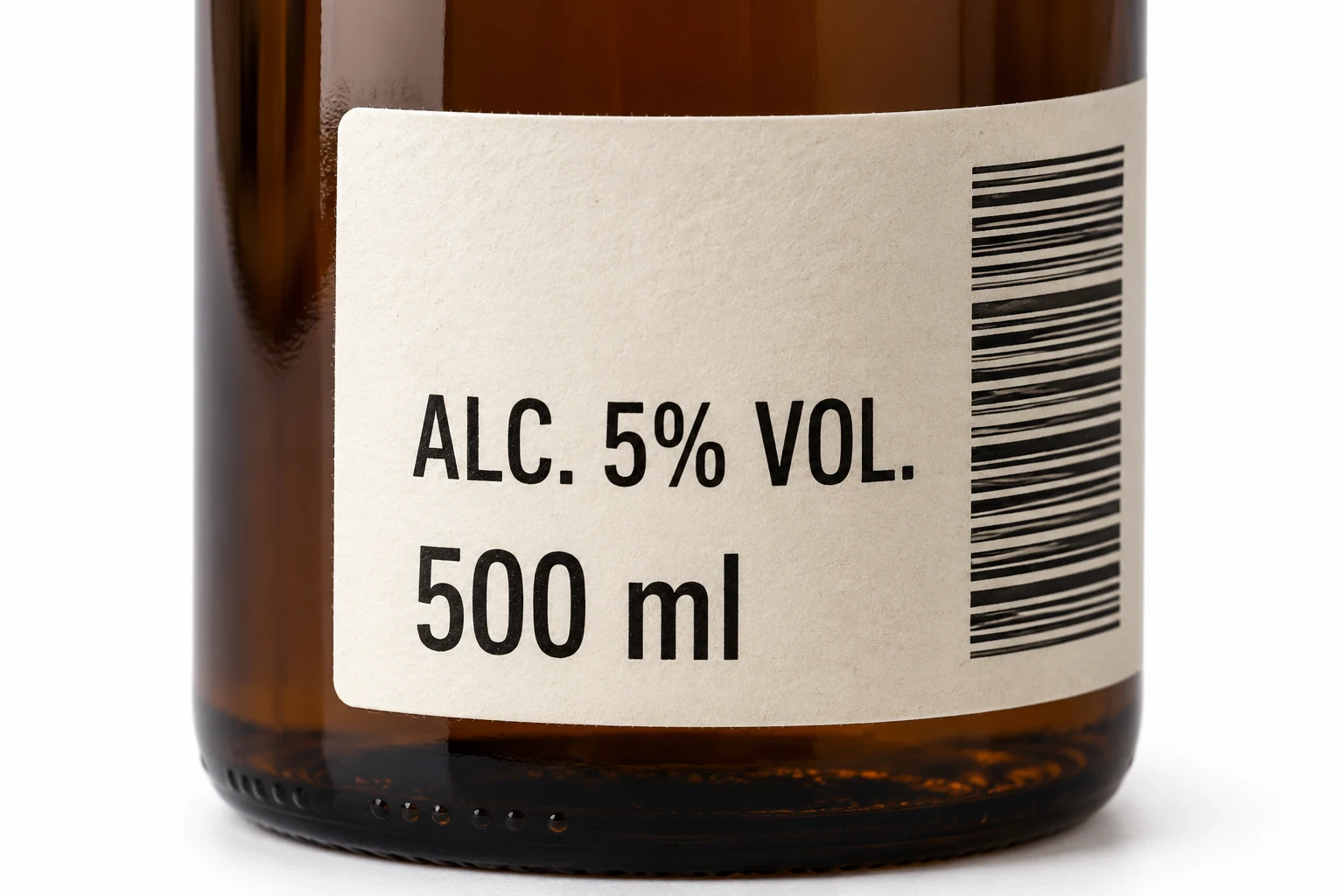
Read the ABV
Check the alcohol strength (ABV) on the bottle, can or packaging.
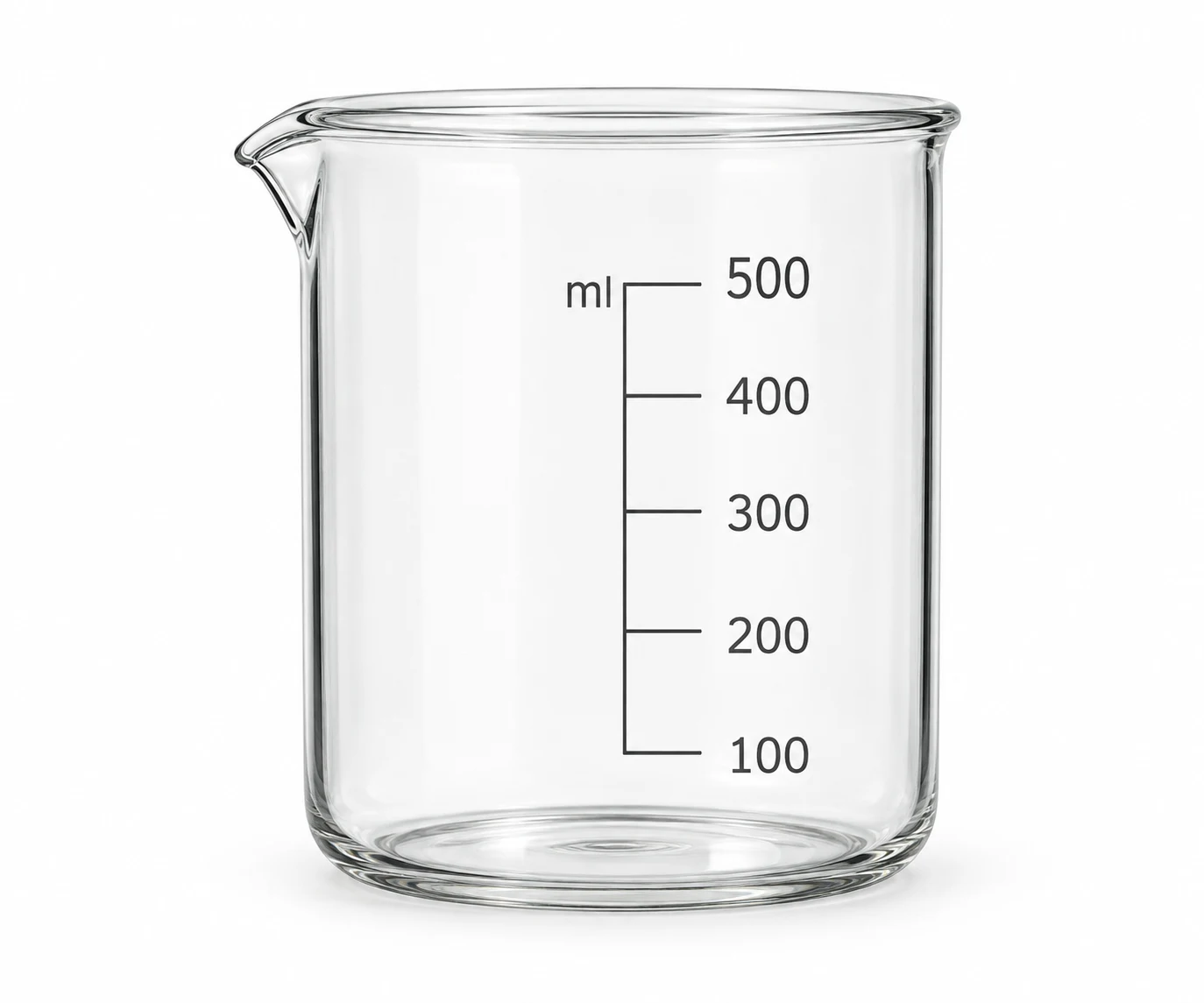
Measure the volume
Use a measuring glass or jug to find the actual volume poured.
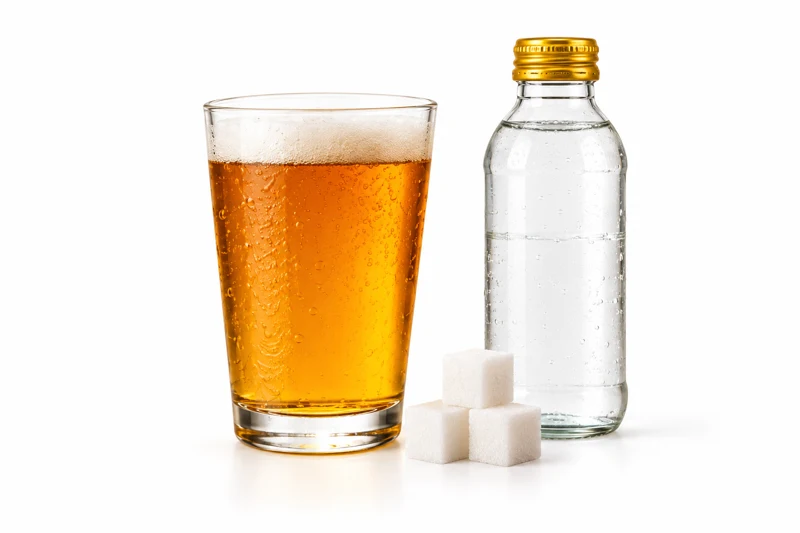
Check added ingredients
Sugar, mixers and other ingredients can add calories.
Calculation & assumptions
Alcohol mass (g) = Volume (ml) × ABV ÷ 100 × 0.7893
Alcohol energy (kcal) = Alcohol mass (g) × 7 × Servings
Covers energy from ethanol only. Does not estimate blood alcohol or a safe driving time.
Frequently asked questions
What does this calculator calculate?
It estimates the energy provided by pure ethanol in one or more identical servings, using 7 kcal per gram of alcohol. It does not calculate the complete nutritional energy of the beverage.
Which inputs should I use?
Select Volume & ABV if you know the measured beverage volume and alcohol strength. Select Known alcohol mass if you already know grams of pure ethanol per serving. Only the selected input route affects the result. The grams field is not the total beverage weight.
Is this the total calorie content of the drink?
No. Sugar, other carbohydrates, cream, juice and mixers can contribute additional calories. Check the product nutrition label for the full drink total.
Why can the nutrition label show more calories?
The label can include energy from ingredients besides ethanol and can use product-specific composition and rounding. Volume mode uses an approximate ethanol density at 20°C, so measurement and temperature also affect the estimate.
What happens at 0% ABV?
The alcohol-only calorie estimate is zero. A drink with no alcohol can still contain calories from sugar or other ingredients. Zero known alcohol mass also gives zero alcohol calories.
More questions (6)
What does the Alcohol Calories calculate?
It estimates kilocalories from pure ethanol only. Volume mode converts beverage ml and ABV percentage to grams using 0.7893 g/ml at 20°C. Known-mass mode uses pure ethanol grams directly. Both use 7 kcal/g and the number of identical servings.
Which values should I enter?
Choose one route: measured volume per serving and ABV, or known grams of pure ethanol per serving. Enter the number of identical servings. Inactive route inputs are ignored.
What formula does this calculator use?
Volume route: ethanol grams = volume in ml × ABV percentage ÷ 100 × 0.7893. Alcohol-only kcal = ethanol grams × 7 × servings. Known-mass route skips the volume and density calculation.
Why might my result differ from another source?
Check whether the other source includes sugar, carbohydrates, cream or mixers. This tool covers only ethanol energy. Volume measurement, ABV, the density approximation and display rounding can also affect comparisons.
Does the result update automatically?
Yes. Changing active inputs, units or the selected route immediately updates the result and worked formulas. Invalid active inputs clear results and disable copying and downloading.
What are the software input limits?
Volume must be greater than zero and no more than 100,000 ml per serving; ABV from 0 to 100%; known pure alcohol mass from 0 to 100,000 g per serving; identical servings a whole number from 1 to 1000. These are software bounds, not consumption recommendations.
Sources & References
 NHS · Calories in alcoholAlcohol provides about 7 kcal per gram; mixers may add calories.
 PubChem · EthanolDensity reference: 0.7893 g/ml at 20°C.
References provide context, not endorsement.
Page information
Updated: October 27, 2026