

Total Body Water Calculator
Estimate body water. Understand what the number means.
Watson Body Water Research References
Watson et al. (1980) · Adult anthropometric equations
Educational estimate of water already in the body — not a daily drinking target.
View sources
Your Body Profile
Your Estimated Body Water
Watson equation · Male
Your Body Water
Water in your body
An estimate of total body water, not how much to drink.
43.6 Lestimated
Step-by-step solution
1. Use metric measurements
W = 75 kg · H = 175 cm · A = 30 years
2. Apply the male Watson equation
TBW = 2.447 − 0.09516A + 0.1074H + 0.3362W
TBW = 2.447 − 0.09516(30) + 0.1074(175) + 0.3362(75)
TBW = 43.6022 L ≈ 43.6 L
3. Express as a weight percentage
(43.6022 ÷ 75) × 100 ≈ 58.1%
Water mass approximated as 1 kg per litre.
A Closer Look at Body Water
Total body water
Water already present throughout your body.
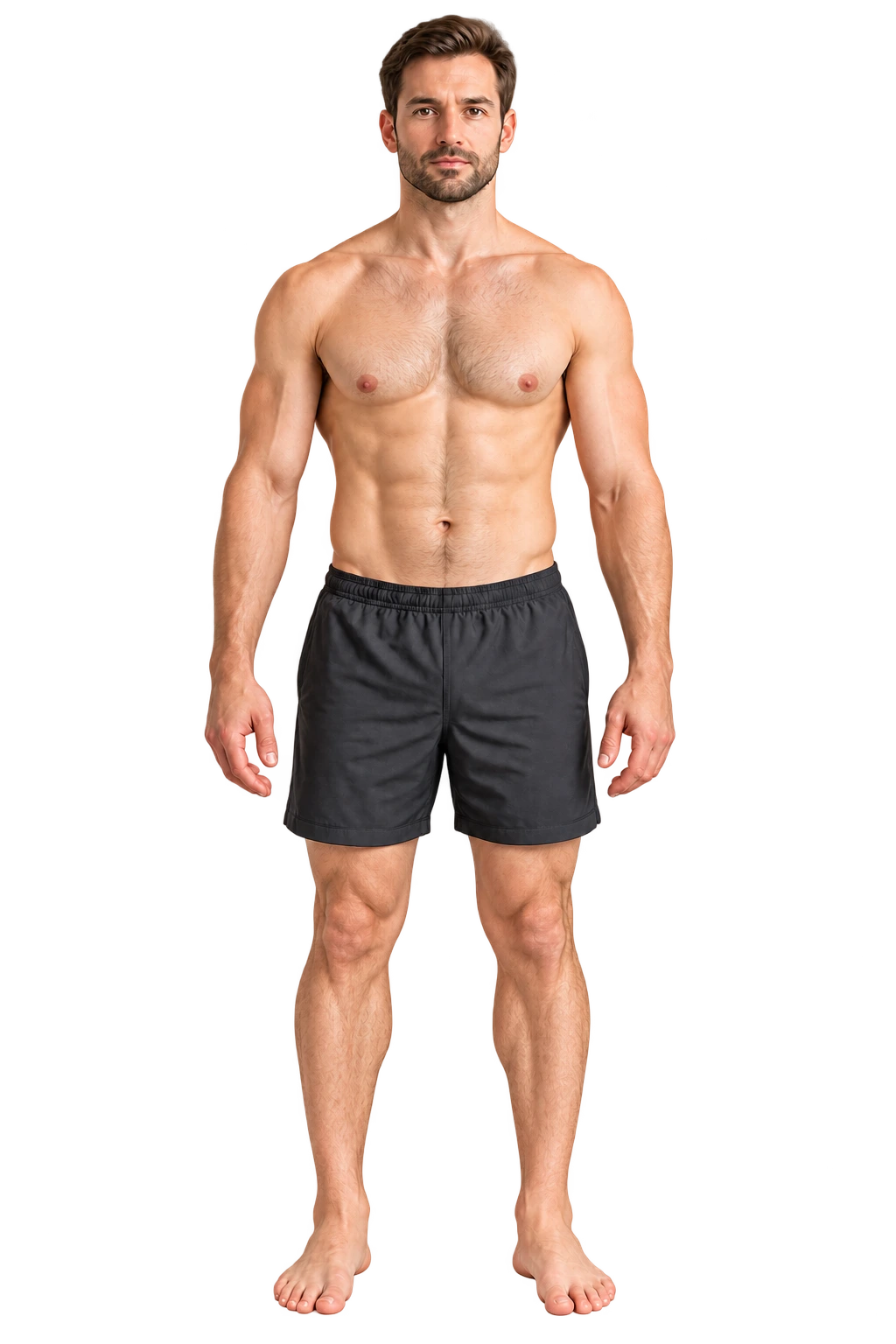
Body composition matters
Age, sex and body composition affect water share.
Population estimate
Watson does not measure current hydration.
Calculation & assumptions
Male (Watson, 1980):
TBW = 2.447 − 0.09516A + 0.1074H + 0.3362W
Female (Watson, 1980):
TBW = −2.097 + 0.1069H + 0.2466W
This estimate
43.6022 L ≈ 43.6 L · 58.1%
H in cm · W in kg · A in years. Age is not used in the female equation.
Additional details & limitations
Broad software checks: weight 20–350 kg, height 100–250 cm and integer age 18–120. These do not establish clinical validity. 1 lb = 0.45359237 kg; 1 in = 2.54 cm. Non-positive water predictions or estimated water mass at or above body weight are rejected rather than clipped.
The percentage approximates water mass as 1 kg per litre. The remaining mass share is not body fat alone, and the bar does not separate intracellular and extracellular water. There are no clinical or athletic category thresholds.
These general adult equations do not assess current fluid loss or retention. They should not be used to prescribe drinking amounts, fluid treatment or dialysis dosing. Body composition and population differences can affect individual agreement.
The original male age coefficient is 0.09516. Some secondary sources, including the historical K/DOQI appendix linked below, reproduce 0.09156. This tool follows the original Watson study.
Frequently asked questions
How does the Watson equation work?
It estimates adult total body water from height and weight, with an age term in the male equation. Inputs are converted to centimetres and kilograms. This predicts volume in litres; it does not directly measure body water.
Why do the male and female equations differ?
Watson et al. fitted separate equations to adult male and female study data. The male equation includes age; the female equation does not. Both use height and weight. These are population models, not individual body scans.
Does this tell me how much water to drink?
No. Total body water is the water already present throughout the body, not a daily fluid intake recommendation. This calculator does not prescribe drinking volumes.
Can this diagnose dehydration?
No. A height-and-weight equation does not measure current hydration or changes caused by fluid loss or retention. The displayed percentage is a composition estimate, not a hydration test or a clinical target.
What does the Total Body Water calculate?
It estimates total body water in litres using Watson equations, plus an approximate water percentage of body weight using 1 litre of water ≈ 1 kilogram.
More questions (8)
Which values should I enter?
Enter adult age, standing height and current body weight, and choose the male or female equation. Weight can be entered in kg or lb; height in cm or in. Age confirms adult use but does not enter the female formula.
What formula does this calculator use?
Male: TBW = 2.447 − 0.09516 × age + 0.1074 × height(cm) + 0.3362 × weight(kg). Female: TBW = −2.097 + 0.1069 × height(cm) + 0.2466 × weight(kg). TBW is in litres.
Why might my result differ from another source?
Sources can use different equations, measurement methods, rounding or coefficients. This tool uses the original Watson male age coefficient 0.09516, not the 0.09156 variant sometimes reproduced elsewhere. Individual model prediction error and body composition also affect agreement.
Does the result update automatically?
Yes. Measurements, sex and unit selections update the estimate, chart, worked equations and downloadable summary immediately. No Apply or Calculate button is needed.
Why does changing age not change the female result?
The published female equation contains only height and weight. Age remains on this page to establish adult eligibility, but it is not included in the female TBW calculation.
What do the two bar segments mean?
The blue segment is the estimated water mass share, approximating 1 litre as 1 kilogram. The other segment is the remaining mass share. It is not a split between muscle and fat, nor intracellular and extracellular water.
Why are some measurements rejected?
Broad software checks require weight 20–350 kg, height 100–250 cm and integer age 18–120. These bounds are not validated clinical ranges. Non-positive predictions or water mass at or above body weight are rejected rather than clipped.
Is this suitable for clinical fluid management?
This tool is educational. The general adult equations cannot establish individual fluid treatment, dialysis dosing or hydration status, and may not apply where body composition or fluid distribution differs substantially from the study population.
Sources & References
 Watson et al. (1980)Original adult body water study.
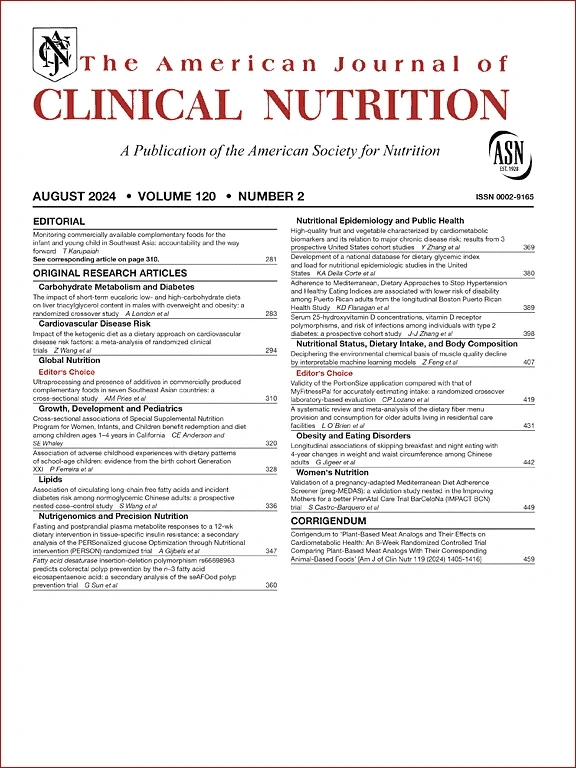 Original publicationWatson equations and model development.
 Historical K/DOQI contextTBW applicability and clinical limitations.
References provide context, not endorsement. No institutional certification or review is claimed.
Page information
Updated: October 27, 2026