Adults with CAP
Use after clinical assessment
Five clinical criteria. A clear score. Context for clinical judgment.
Use after clinical assessment
Unknown is not the same as No
Use current clinical findings
/ 5
Awaiting findingsNICE grouped estimate · not an individual prediction
Assess all five criteria to see the score and clinical context.
A low score does not rule out serious illness.
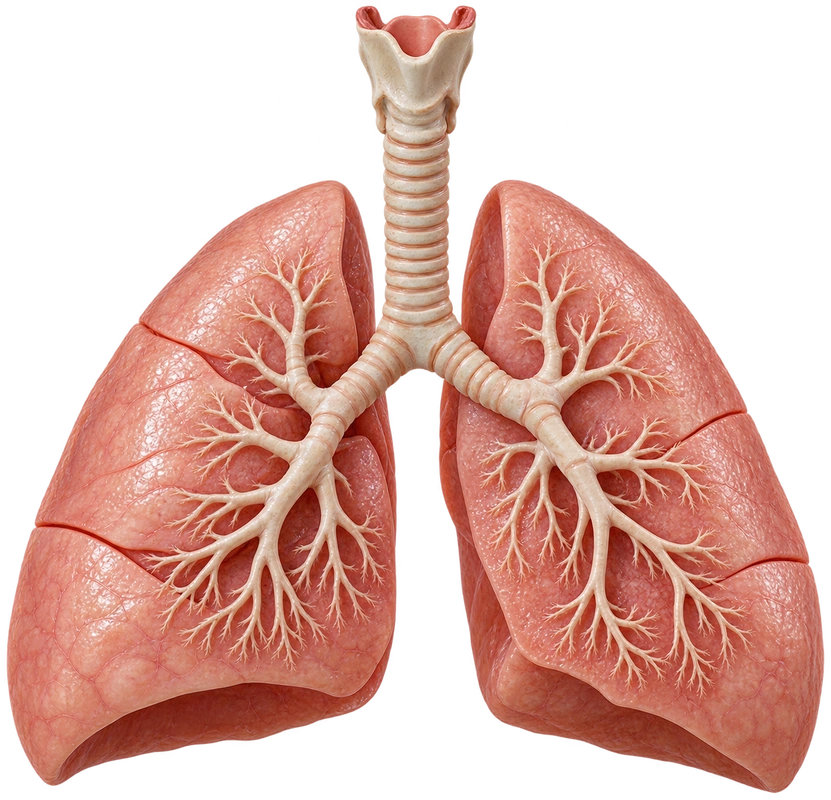
Oxygenation, sepsis, comorbidities and ability to manage at home also matter.
Critical-care decisions require additional criteria and clinical judgment.
Illustration only · not a diagnostic image.
| CURB-65 score | Risk group | 30-day mortality (NICE) |
|---|---|---|
| 0–1 | Low | <3% |
| 2 | Intermediate | 3–15% |
| 3–5 | High | >15% |
Group estimates vary by cohort; these are not patient-specific probabilities.
ATS/IDSA favors PSI plus clinical judgment for admission decisions.
One point is assigned to each positive criterion. New confusion means new disorientation in person, place or time, or an Abbreviated Mental Test (AMT) score of 8 or less.
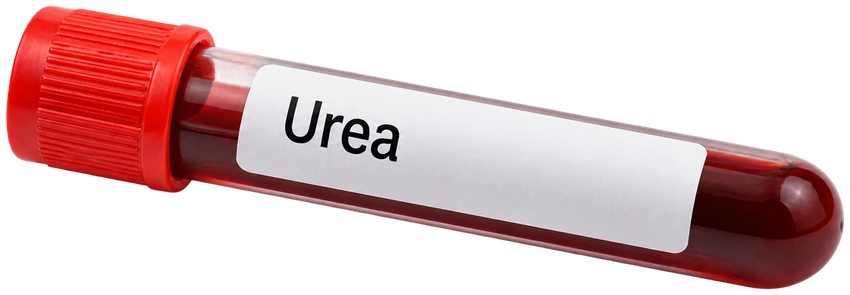
The original laboratory criterion is urea strictly greater than 7 mmol/L. This corresponds to a BUN threshold of approximately 19.6 mg/dL; urea and BUN in mg/dL are not interchangeable. The equality boundary at urea 7 mmol/L is not positive.
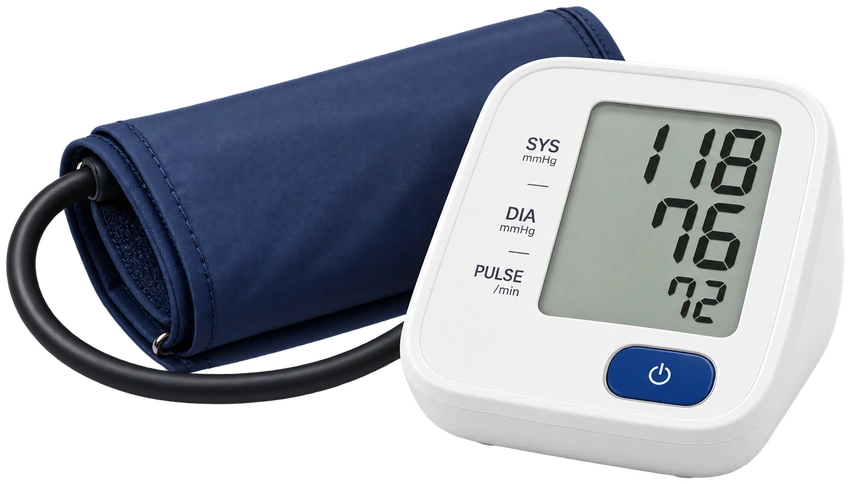
Respiratory rate ≥30/min and age ≥65 are inclusive. Low blood pressure means systolic <90 mmHg OR diastolic ≤60 mmHg; either condition scores one point, not two.
CURB-65 supports initial hospital assessment of adults with community-acquired pneumonia. It does not diagnose pneumonia, choose antibiotics or determine the need for intensive care. It omits oxygen saturation, comorbidities and social circumstances. A clinician may escalate care at any score.
These are NICE grouped mortality bands, not the score-specific rates from a different study. Do not compare them as if they were individualized probabilities.
Adults with clinically diagnosed community-acquired pneumonia, assessed with clinical judgment, usually at presentation to hospital. It is not a self-diagnosis tool and is not the validated pediatric or hospital-acquired pneumonia assessment.
Leave the urea criterion unanswered. This page will not produce a complete CURB-65 score or assume that the result is normal. A clinician may use the separate CRB-65 approach when appropriate; its range and risk interpretation differ and must not be substituted here.
No. Oxygenation, sepsis, comorbidities, oral intake, frailty and the ability to manage safely at home also matter. Outpatient care is a clinician-led consideration, not an automatic recommendation from this calculator. Severe breathing difficulty or rapid deterioration requires emergency help regardless of the score.
No. Scores 3–5 indicate high mortality risk and support urgent hospital assessment. Critical-care referral depends on the full clinical picture and additional severity criteria. Mechanical ventilation or vasopressor requirements and other severe CAP findings need their own assessment.
 IDSAATS / IDSAAdult CAP clinical guidanceDiagnosis and management of adults with pneumonia.ThoraxLim et al. (2003)Original validation studyDevelopment and validation of a bedside score (CURB-65).
Clinical decision support only. Official guideline wording and permissions remain with their rights holders. References do not imply endorsement.
Five clinical criteria. A clear score. Context for clinical judgment.