

Healthy Weight Range Calculator
Find the BMI-based weight range for your height and see where your current weight fits.
Adults 20+ · BMI reference: 18.5 to less than 25 · Screening estimate
Your measurements
Your weight range
Rounded boundaries; upper limit excluded.
More precision: 56.65625 ≤ weight < 76.5625 kgWithin the reference BMI range
Your weight in context

For a height of 175 cm
Your entered weight falls within the adult BMI reference interval. BMI alone does not assess body composition or overall health.
How was this calculated?
- Height: 175 cm ÷ 100 = 1.75 m
- Height²: 1.75² = 3.0625 m²
- Lower boundary: 18.5 × 3.0625 = 56.65625 kg (included)
- Upper boundary: 25 × 3.0625 = 76.5625 kg (excluded)
- Your BMI: 75 ÷ 3.0625 ≈ 24.49
Classification uses unrounded values. Detailed boundaries are displayed to up to 8 decimals.
Interpret with care
This adult reference interval is a screening estimate, not a personal weight prescription. It is not intended for children or pregnancy; body composition and clinical context matter.
Understand your range

The weight boundaries come from multiplying each BMI threshold by your height in metres squared. This gives an interval rather than one target weight.
Why height changes the range
With the same BMI thresholds, greater height produces higher weight boundaries. Weight is proportional to height squared, so the relationship is not linear.
What BMI cannot tell you
BMI does not distinguish fat, muscle and bone. It belongs alongside medical history and other measurements when assessing an individual.
18.5 × height(m)² ≤ weight(kg) < 25 × height(m)²
Calculation & assumptions
One height, two boundaries
The interval uses the adult reference thresholds 18.5 and 25. The lower weight is included. The upper weight is excluded because BMI 25 starts the next category.
18.5 × h² ≤ weight < 25 × h²
h = height in metres; weight in kilograms.
Units & rounding
One inch equals 2.54 cm and one pound equals 0.45359237 kg. Unit changes preserve the same measurements internally. The large result is rounded; comparisons use the full stored precision.
Scope & interpretation
For adults aged 20 and over. BMI does not separate fat, muscle and bone. The same reference interval applies regardless of sex, but individual assessment may require other information.
Your measurements
Weight is optional. The form accepts heights from 50 to 300 cm and weights from 0.5 to 1,000 kg as broad input checks, not as healthy-size recommendations. Invalid values clear the previous result.
Frequently asked questions
Is this my ideal weight?
This is a BMI-based reference interval, not a single ideal weight or a personal diagnosis. Discuss individual goals with a qualified healthcare professional.
Why don't I enter a BMI?
The reference thresholds are already defined: 18.5 ≤ BMI < 25. Your height converts these thresholds to weight boundaries. Optional weight adds your BMI comparison.
Why is the upper limit excluded?
BMI 25 starts the next adult category. The lower boundary is included and the upper boundary is excluded. Displayed numbers are rounded; classification uses unrounded measurements.
Does this apply to athletes?
BMI cannot distinguish muscle from fat or bone. A BMI-based interval can be calculated, but its interpretation needs other measurements and personal context.
Can children use this tool?
This calculator uses the CDC adult categories for ages 20 and over. Children and teenagers need age- and sex-specific BMI percentiles instead.
What about pregnancy?
This page does not estimate pregnancy weight targets. Pregnancy and clinical circumstances require an appropriate assessment with a healthcare professional.
More questions (8)
Why are age and sex not required?
For adults 20 and over, these general CDC BMI category thresholds do not vary by age or sex. This does not make BMI a complete individual health assessment.
How do the unit choices work?
Metric uses centimetres and kilograms. US customary uses feet, inches and pounds. One inch is exactly 2.54 cm and one pound is exactly 0.45359237 kg. Switching units preserves the entered physical measurements internally.
Which measurements are supported?
The form accepts heights from 50 to 300 cm and optional weights from 0.5 to 1,000 kg. These broad software input checks are not definitions of a healthy body size. The page is for adults 20 and over.
What does the Healthy Weight Range calculate?
It converts the adult BMI reference interval of 18.5 to less than 25 into a weight interval for your height. Entering your current weight also shows your BMI and position relative to that interval.
Which values should I enter?
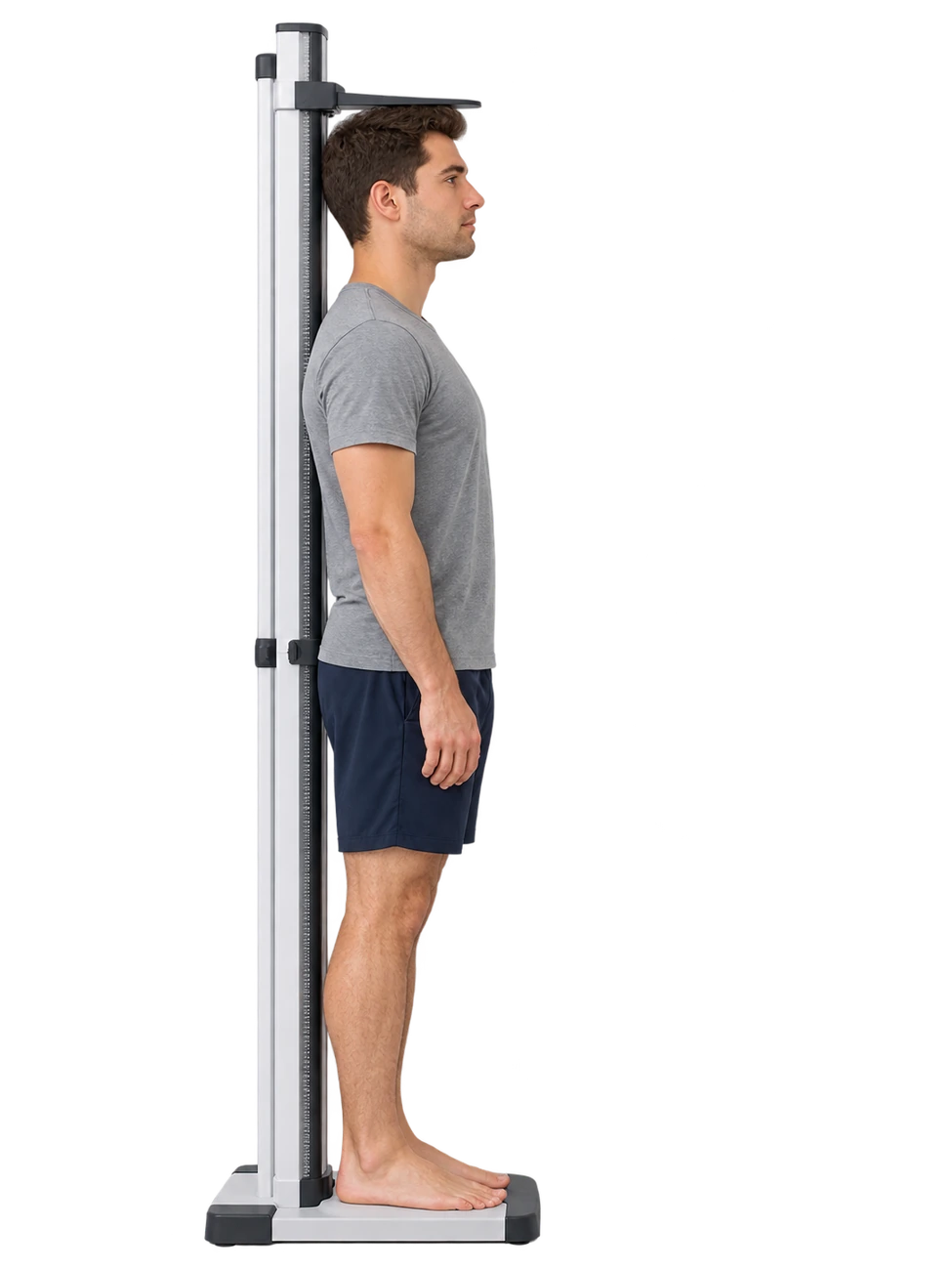
Enter your height in centimetres or feet and inches. Current weight is optional; use kilograms or pounds. Remove shoes when measuring height and use a level, firm surface.
What formula does this calculator use?
Lower weight = 18.5 × height in metres squared. Upper boundary = 25 × height in metres squared, excluded. Optional BMI = weight in kilograms ÷ height in metres squared.
Why might my result differ from another source?
Rounding, measurement precision and a different upper-bound convention can change the display. This tool uses BMI less than 25, not a maximum of 24.9, and shows the calculation steps.
Does the result update automatically?
Yes. Changing measurements updates the result, range indicator and calculation steps together. Invalid entries clear the previous result and show an explanation.
Sources & References
 Adult BMI categoriesReference thresholds and the adult age scope used in this calculation.
Understanding body mass indexWhat BMI measures, its limitations and its role in health assessment.
Adult BMI reference toolCDC's adult calculator and additional information about interpreting BMI.
References provide context, not endorsement. Thresholds follow CDC adult BMI categories. No institutional certification or expert review is claimed.
Page information
Updated: October 26, 2026
Educational screening estimate. Discuss personal weight goals with a qualified healthcare professional.