

Ankle-Brachial Index (ABI) Calculator
Compare ankle and arm systolic pressures.
Your pressure readings
Ankle-brachial index
Ankle-to-arm pressure ratio
Compare the pressures
Pressure comparison · same scale
How is this calculated?
Equipment guide
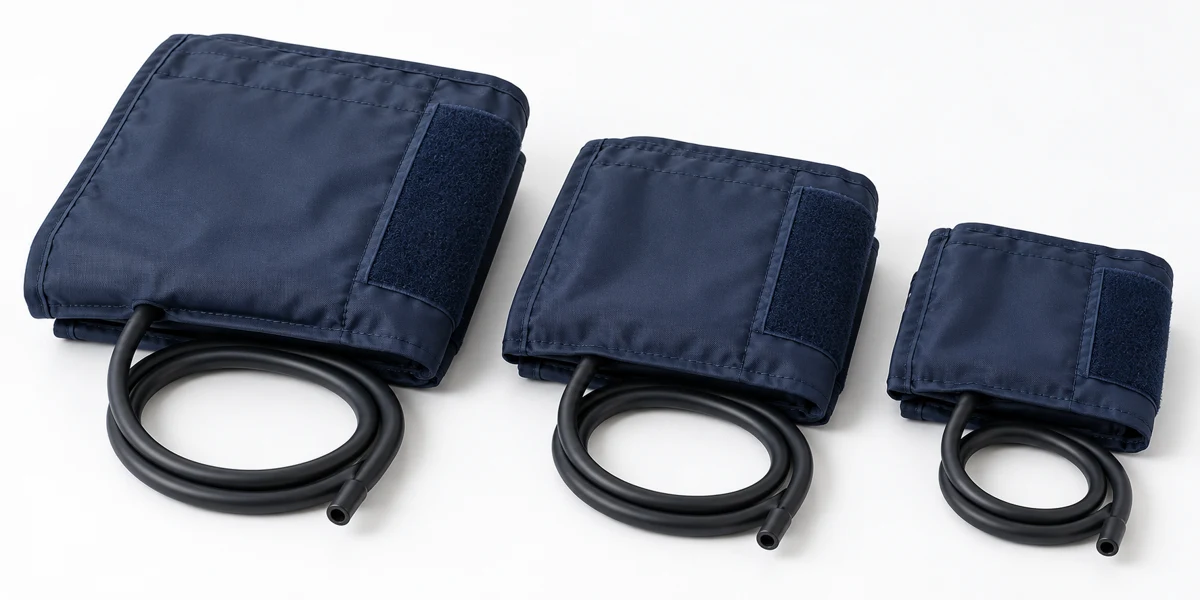
Appropriate cuff
Correct size and placement.

Doppler assessment
Use trained measurement technique.

Record both arms
Use the higher arm reading.
Calculation & assumptions
ABI = Highest ankle systolicHighest arm systolic
For both legs, use the same higher arm pressure. ABI is dimensionless. This calculator does not diagnose peripheral artery disease.
Frequently asked questions
What does the Ankle-Brachial Index (ABI) calculate?
It compares the highest ankle systolic pressure with the higher of the two arm systolic pressures. The result is a dimensionless ratio, not a percentage or a blood-flow measurement.
Which values should I enter?
Use resting systolic pressure readings in mmHg. For each ankle, use the higher dorsalis pedis or posterior tibial artery reading. In Single leg mode, enter the higher of both arm readings. In Both legs mode, enter both arm readings so the shared reference can be selected.
What formula does this calculator use?
ABI = highest ankle systolic pressure / highest arm systolic pressure. Both legs use the same higher arm reference. The Both legs summary shows the lower of the two calculated ratios.
Why might my result differ from another source?
Measurement technique, ankle-artery selection, arm reference, patient position and rounding can change the result. Here the exact entered decimals are divided before the final ratio is rounded. Compare like-for-like methods with a trained clinician.
Does the result update automatically?
Yes. Inputs and method changes update the result, pressure bars and calculation steps immediately. No Apply or Calculate button is needed.
More questions (5)
Why are both arm readings used?
The higher brachial systolic reading supplies the denominator for both legs. This avoids using a different reference pressure for each leg.
Can I calculate both legs?
Yes. Choose Both legs and enter the highest ankle systolic pressure for each leg plus the right and left arm systolic pressures. Both leg ratios remain visible beside the lower-ABI summary.
What happens with missing or invalid pressures?
All dynamic results are cleared and copying and downloading are disabled until active inputs are valid. Arm pressure must be positive. Software limits are 0 to 500 mmHg and six decimal places; these are not clinical reference ranges. Hidden fields from the other method are ignored.
Can ABI diagnose peripheral artery disease by itself?
This calculator performs the arithmetic only. A clinician interprets ABI alongside symptoms, examination, measurement quality and other tests. Some vessels may not compress reliably with a cuff.
How are the pressure bars and downloads calculated?
All bars share a zero baseline and one scale. They compare entered pressures, not blood flow or disease risk. The download includes the source readings, selected arm reference, displayed results and exact numerator/denominator for each ratio.
Sources & References
 American Heart AssociationABI measurement guidance.
 Stanford Medicine 25Technique and interpretation context.
References provide context, not endorsement.
Page information
Updated: October 27, 2026