

Body Surface Area
Compare the equations. Keep every unit clear.
Estimated body surface area
Comparison uses the same measurements.
Surface area, not body weight
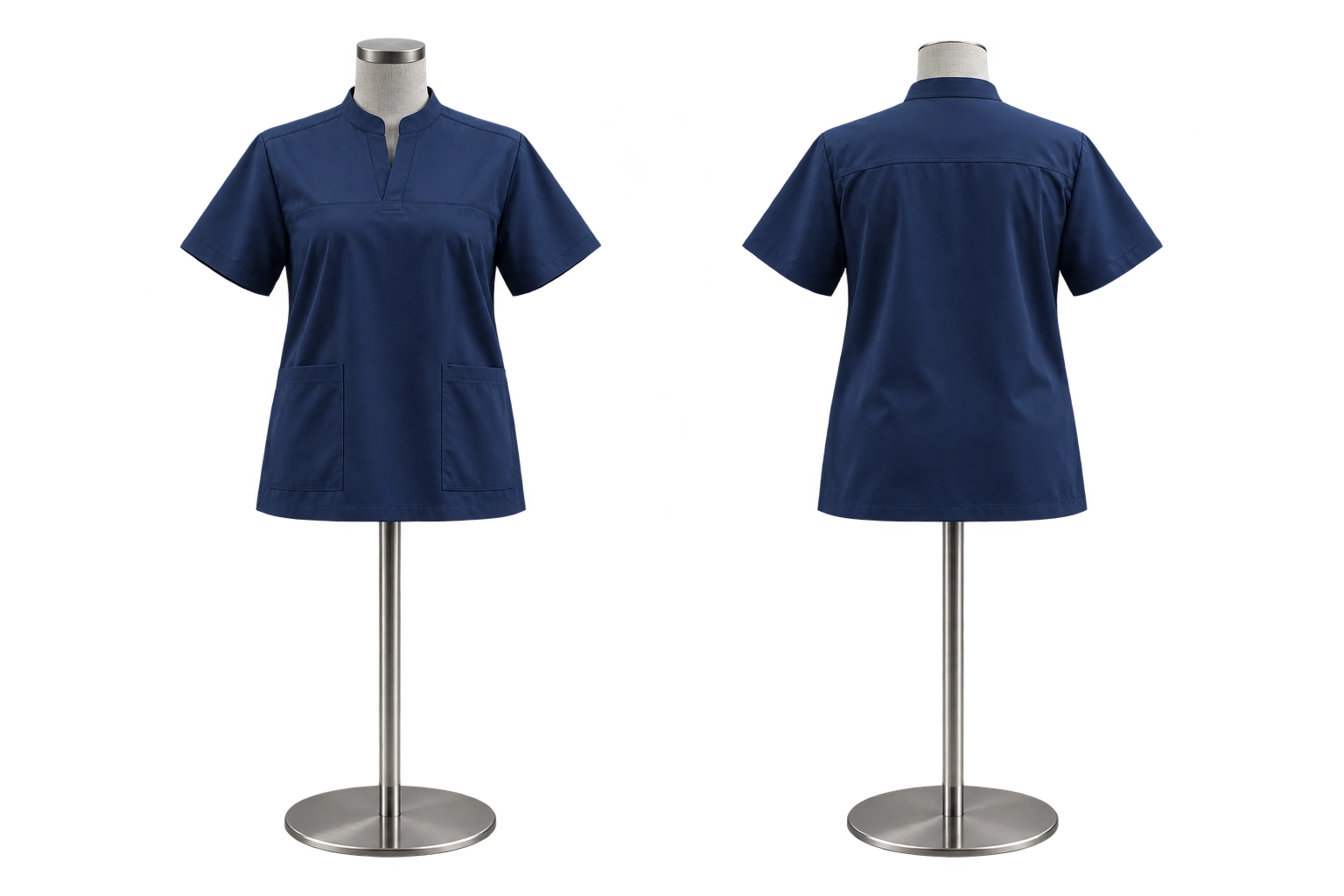
Illustrative model. BSA is not a health score. Clothing and body proportions are not reconstructed from your measurements.


Dose arithmetic
Optional · clinician-specified input
100 is an illustrative example, not a recommended dose. Replace it with the value specified by the clinician.
100 mg/m² × 1.8181 m²
Uses unrounded BSA. No automatic caps, dose adjustments, infusion rates or administration instructions.
Formula and assumptions
Mosteller BSA = √(height × weight ÷ 3600)
Height in cm · weight in kg · result in m²
√(170 × 70 ÷ 3600) = 1.8181… → 1.82 m²
- Different equations can give different estimates. The age-group view highlights a method; age is not a variable in these four equations.
- 1.73 m² is a standard indexing reference, not a universal normal range. The scale above shows magnitude only, not population percentiles.
- Input limits are software plausibility checks, not validated clinical ranges. Confirm measured height, weight and formula for the patient and protocol.
- BSA alone does not establish drug safety. No ideal-weight substitution, BSA cap or organ-function correction is applied.
All four equations
Mosteller: √(H × W / 3600)
Du Bois & Du Bois: 0.007184 × H0.725 × W0.425
Haycock: 0.024265 × H0.3964 × W0.5378
Gehan & George: 0.0235 × H0.42246 × W0.51456
H is height in centimetres; W is weight in kilograms. All produce m².
Original equation references
Du Bois D, Du Bois EF. A formula to estimate the approximate surface area if height and weight be known. Archives of Internal Medicine (1916); 17:863–871.
Haycock GB, Schwartz GJ, Wisotsky DH (1978), Journal of Pediatrics.
Frequently asked questions
Which equation should I choose?
Use the equation specified by the relevant clinical protocol or clinician. Mosteller is a simple height-weight equation. The comparison matrix shows alternatives; switching methods changes the selected BSA and the optional dose arithmetic.
Can this be used for children?
The pediatric view highlights Haycock, whose original study included infants, children and adults. It does not validate a drug dose or replace a pediatric protocol. The age-group selection is context, not an age-dependent coefficient.
Does BSA determine a safe drug dose?
No. Multiplying a specified mg/m² by BSA gives an arithmetic amount only. The drug, indication, organ function, protocol, dose limits and rounding require independent clinical verification.
Is BSA the same as BMI?
No. BSA estimates surface area in m². BMI expresses weight relative to height squared in kg/m². BSA is not a general health score or an obesity category.
Sources & References
1987 original publication.
Infants, children and adults.
Verify against the treatment protocol.
References inform the calculation; no institutional endorsement. Source names identify publications and clinical resources.
Compare the equations. Keep every unit clear.