Height-based PBW
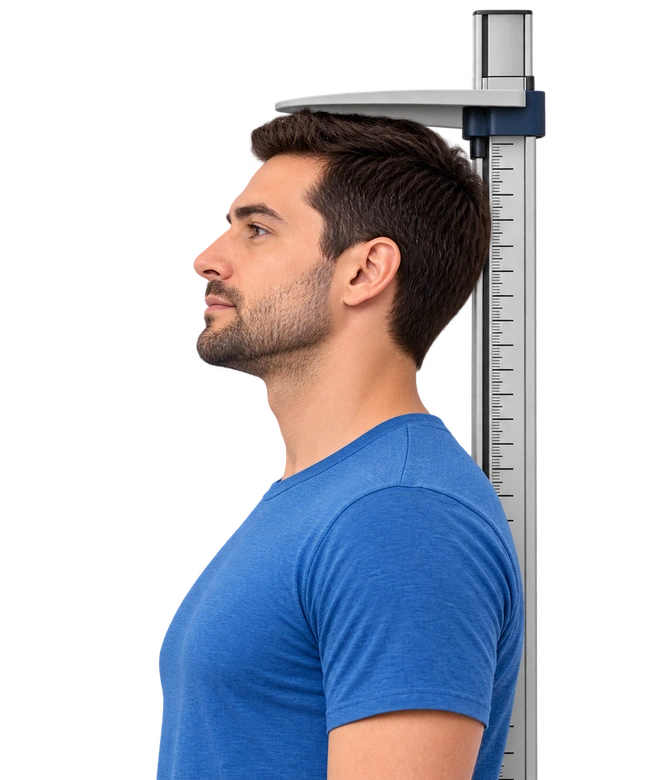
Lung-size reference comes from height.
Calculate predicted body weight. Explore the volume range. Keep the clinical context.
Lung-size reference comes from height.
Compare mL per kg of predicted weight.
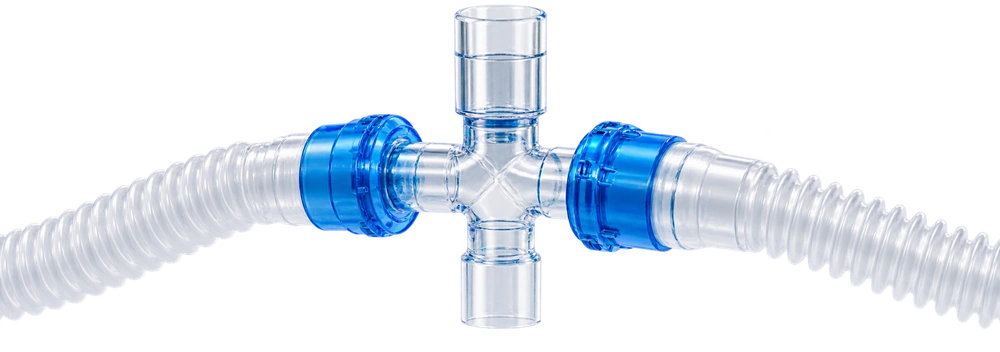
Pressures, gas exchange and synchrony.
mL
No result. Clinical context is required.
Adult ARDS reference band: 4–8 mL/kg PBW. Volume alone does not confirm lung protection.
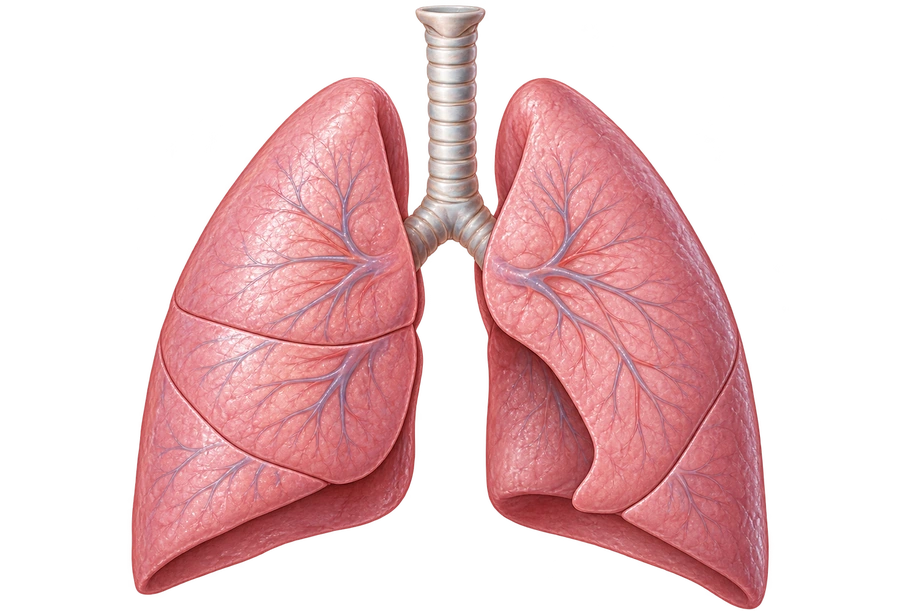
Plateau pressure, gas exchange and patient response still require clinical assessment.
Male PBW = 50 + 0.91 × (height cm − 152.4)
Female PBW = 45.5 + 0.91 × (height cm − 152.4)
Enter values to calculate.
Calculations use unrounded PBW. Adult reference only.
This tool calculates PBW from adult height and the selected equation coefficient, or uses the PBW supplied in Known PBW mode. It never substitutes actual body weight. VT = PBW × selected mL/kg ratio. Values are compared with the 4–8 mL/kg adult ARDS reference band, not classified as safe or unsafe.
PBW displayed to one decimal and volumes displayed to the nearest mL are rounded for readability. Calculations use the unrounded decimal inputs. The 4, 6 and 8 mL/kg reference points use that same PBW. The gauge is a linear 0–12 mL/kg comparison, not a patient monitor or a safety certification.
One inch is exactly 2.54 cm. Both unit views are normalized to centimeters and use the same 0.91 equation. Published rounded inch coefficients such as 2.3 can give slightly different results; this page does not switch equations when changing units.
Adult ARDS guidance includes both lower tidal volumes and limiting inspiratory pressures (ATS guidance uses plateau pressure below 30 cmH2O). A value inside the volume reference band does not verify pressures, PEEP, gas exchange, synchrony or the clinical response. None of these conditions is measured or certified here. The appropriate ratio and changes to settings remain clinical decisions.
The height entry range 140–220 cm, known PBW 1–200 kg and selectable ratio 2–12 mL/kg are software input guards, not normal ranges or treatment recommendations. Ratios below 4 or above 8 are marked outside the reference band; a lower value is not automatically more protective. Known PBW is user supplied and not independently verified. Pediatric and neonatal protocols are not implemented.
This page is for educational/reference arithmetic and trained clinical interpretation. It does not operate a ventilator, assess the full patient or prescribe settings. Never change respiratory support based on this output alone.
Adult lung-protective ventilation references use height-based predicted body weight as a proxy for lung size. Actual body weight must not be substituted. This page uses the stated male/female PBW coefficients, not a weight-loss or general ideal-weight calculation.
No. It is only 66.016 kg PBW multiplied by the selected 7 mL/kg ratio and rounded. Pressures, gas exchange, PEEP, synchrony and the patient’s response still require trained clinical assessment. Being inside 4–8 mL/kg does not certify safety or prescribe a setting.
Published formulas may use rounded coefficients. Here one inch is exactly 2.54 cm and both unit views use the same centimeter equation, so changing units alone does not change PBW or VT. Calculations use unrounded values rather than the displayed PBW.
Yes. Select Known PBW and enter a clinician-confirmed predicted body weight in kg, not actual weight. Height and sex inputs are ignored in that mode. For example, known PBW 70 kg at 6 mL/kg gives 420 mL. The supplied PBW is not independently verified.
 Adult ARDS guidanceVolume and pressure context.
 ARDS clinical guidanceClinical assessment and monitoring.
References only. No institutional endorsement.
Calculate predicted body weight. Explore the volume range. Keep the clinical context.