Arterial oxygen
Use PaO2 from an arterial blood gas.
Measure oxygenation. Review the thresholds. Keep the clinical context.
Use PaO2 from an arterial blood gas.
Enter FiO2 as % or fraction.
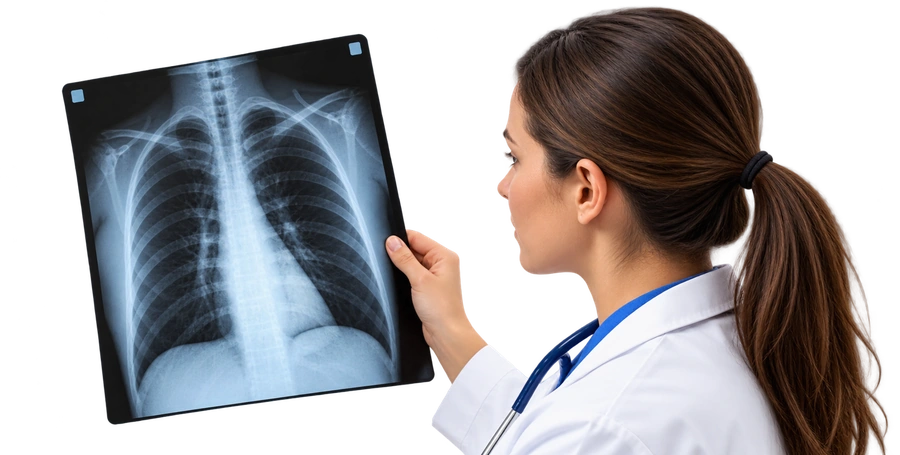
Pressure, imaging and timing matter.
mmHg
Enter measurements to calculate.
—
Numeric range only — not an ARDS diagnosis.
Reference bands only. Respiratory support and other criteria are required.
Range comparisons use unrounded inputs; extra digits preserve threshold distinctions.
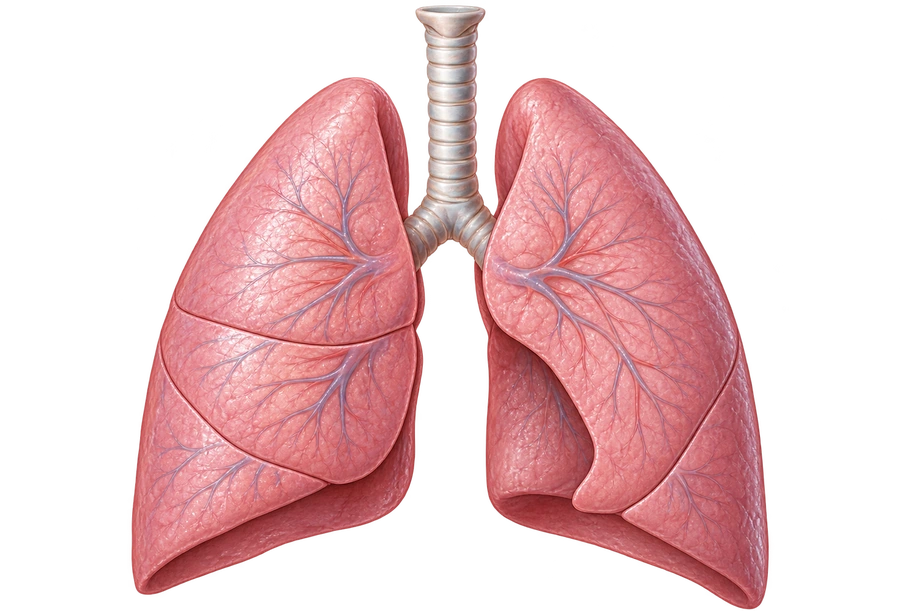
ARDS assessment also needs acute timing, bilateral opacities and the origin of edema.
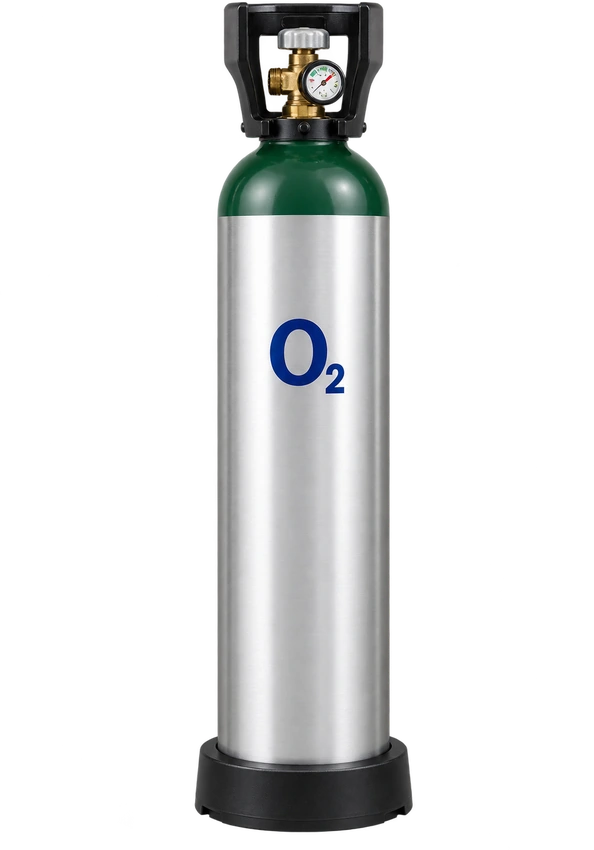
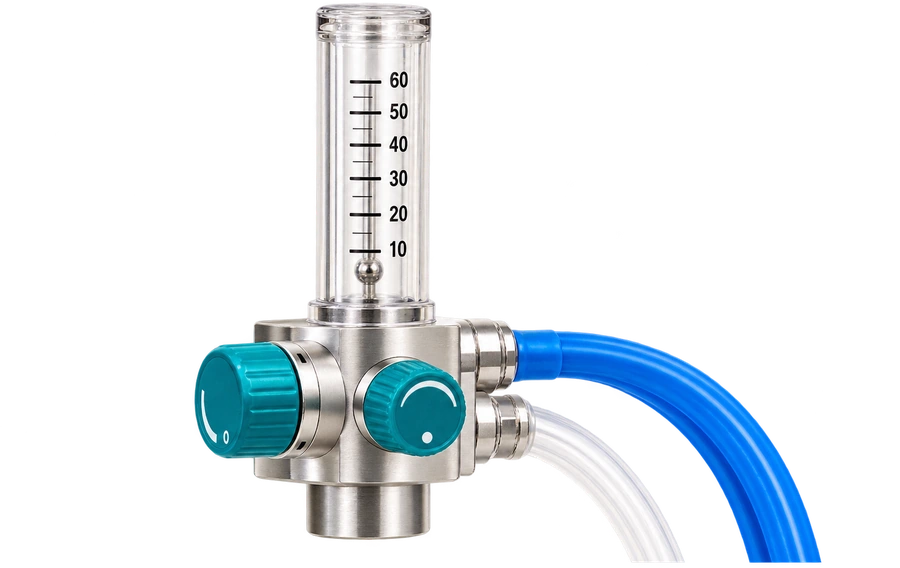
Illustration only — not a patient image.
| Mild | 200 < P/F ≤ 300 |
|---|---|
| Moderate | 100 < P/F ≤ 200 |
| Severe | P/F ≤ 100 |
Berlin oxygenation grading requires appropriate respiratory support with PEEP ≥5 cmH2O; CPAP can apply to the mild category.
Also assess timing, bilateral imaging changes and whether edema is explained by cardiac failure or fluid overload.
This page uses adult Berlin 2012 oxygenation thresholds in mmHg. The ratio is unadjusted for altitude; pediatric ARDS criteria are not assessed. Mild is 200 < P/F ≤300; moderate is 100 < P/F ≤200; severe is P/F ≤100. These are oxygenation ranges, not standalone diagnoses. Mild can use CPAP/noninvasive support; the moderate/severe Berlin categories require the appropriate invasive-ventilation context.
The newer global ARDS definition expands the framework, including some nonintubated patients and alternative oxygenation assessments. Its criteria are not automatically applied here. Use the definition and protocol relevant to the clinical setting.
Timing is within one week of a known insult or new/worsening respiratory symptoms. Bilateral opacities and the origin of edema must be assessed clinically. No checkbox on this page certifies those requirements.
The four visual reference bands have equal widths for readability; this is not one linear scale. The marker reflects position within each band and is capped at 500 on the displayed chart. The main numeric result remains uncapped. Threshold comparisons use unrounded input values. The illustrative chart is not a patient monitor.
FiO2 must be documented rather than inferred from a pulse oximeter or a simple flow-to-FiO2 rule. This interface supports medical oxygen fractions of 0.21–1.00. PaO2 is arterial pressure, not SpO2 saturation. Do not adjust treatment or ventilation from this calculation.
No. 225 mmHg falls in the mild Berlin oxygenation range, but ARDS also requires the correct respiratory support, pressure, timing, imaging and clinical assessment of edema. This page does not establish a diagnosis.
Use 40 in percentage mode or 0.40 in Fraction mode. Both represent 40% inspired oxygen. Select the correct mode explicitly. Use the documented delivered FiO2; do not substitute SpO2 or assume a precise FiO2 from a simple oxygen flow rate.
Leave it blank. The ratio can still be calculated, but Berlin conditions remain unconfirmed. A blank value is not treated as 5 cmH2O. Even a recorded PEEP of at least 5 does not confirm the other ARDS criteria.
No. A P/F ratio above 300 is above the Berlin oxygenation threshold used here, but it does not establish normal lung function or exclude disease. The full clinical situation still matters.
 ARDS guidanceEuropean Society of Intensive Care Medicine guidance and clinical resources.
 Global definition contextGlobal ARDS definition published in the ATS journal.
References only. No institutional endorsement.
Measure oxygenation. Review the thresholds. Keep the clinical context.