

Cat BMI Calculator
Feline body condition & weight review9-point BCS assessment · height is not used.
Examples change current weight only — they do not assign a healthy weight.
Example assessment · adjust values to your cat's findings and confirm with your veterinarian.
Body condition inputs
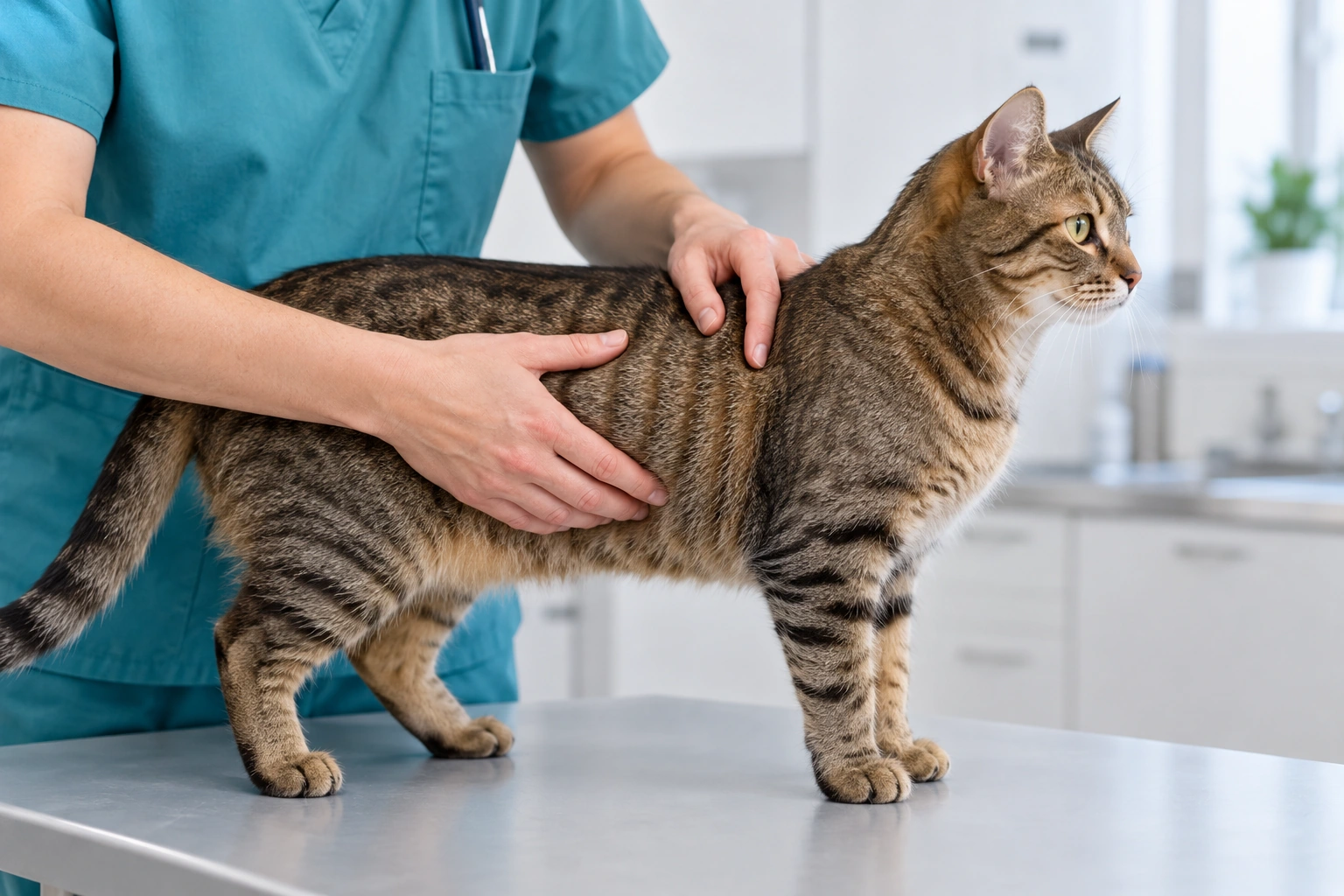
Feline condition summary
Example assessmentStep-by-step solution
9-point body condition scale
Under ideal (1–3)Central reference: 5Over ideal (6–9)
Body condition reference
Proportionate appearance example
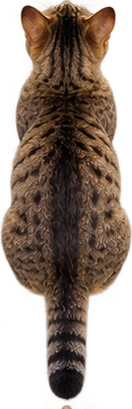
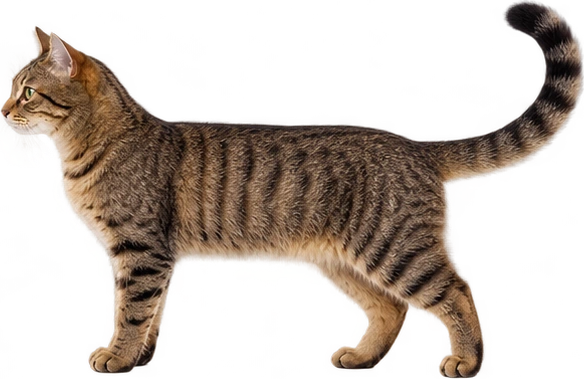
Three broad appearance groups; use the written score criteria and palpation, not the image alone.
Selected BCS 5 Reference Description
- Ribs
- Felt with slight fat covering
- Waist
- Visible behind ribs
- Abdominal Fat
- Minimal

Ideal body weight varies with individual frame and muscle.
Muscle condition: not assessed.
View your recorded observations
Unexpected weight change, reduced appetite or muscle loss needs veterinary assessment. Individual weight targets and feeding plans should be agreed with your veterinarian.
Weight comparison explained
Difference (%) = (current − target) ÷ target × 100
4.5 kg − 4.5 kg = 0.00 kg
Difference from entered target = 0.0%
BCS is selected from physical assessment, not calculated from weight or height.
Frequently asked questions
Why not use human BMI for cats?
The human weight/height-squared calculation does not provide the feline body-condition assessment offered here. This page uses a selected nine-point BCS and an optional comparison against an entered target weight; it reports no human-style BMI.
How do I select a BCS?
Use the linked feline reference chart and physical assessment with veterinary guidance. The clickable1–9 buttons record the score you select; they do not infer a score from weight, the photo or observation-note selections.
Does breed determine ideal weight?
Breed alone does not define an individual target. Frame, muscle, age and clinical context matter. Enter a target provided for your cat by your veterinarian. This tool does not assign breed averages or derive a target from BCS.
Is muscle condition the same as BCS?
No. Muscle condition is a separate assessment of muscle loss, while BCS reflects fat stores. A cat can have excess fat and also lose muscle. Recorded muscle notes do not alter the selected BCS, but they are included in the summary.
Show all questions (9 more)Show fewer questions
What does the Cat BMI Calculator calculate?
It displays the reference category associated with your selected feline BCS, records your observations and compares current weight with an optional entered target. It does not diagnose disease, calculate disease risk, or prescribe calories.
Which values should I enter?
Enter a finite positive current weight, a selected whole BCS1–9 and, if enabled, a finite positive target weight. Use the same cat and a current assessment. The initial4.5kg/BCS5/4.5kg target are visibly marked example inputs, not findings for your pet.
What formula does this calculator use?
Difference in kilograms=current kg−target kg. Percentage difference=(current−target)/target×100. The same fraction results when both values use pounds. BCS itself is recorded from assessment and has no weight/height formula here.
Why might my result differ from another source?
Different BCS scales and clinical interpretations may vary. This tool states the9-point scale. Score4 is displayed as a lean/near-ideal reference category because guidance may use a broader ideal interval; score5 is the central ideal reference. A selected score is not automatically confirmed as your cat’s true condition.
Does the result update automatically?
Yes. Score choices update the category, card color and reference description. Weight and target changes update the difference. Observation notes and muscle selections update their own summaries without calculating another BCS.
Do observation questions automatically score my cat?
No. These selections are notes to discuss with your veterinarian, not a validated questionnaire algorithm. The recorded-notes panel contains your inputs. The reference-description panel always describes the explicitly selected score; the two panels may differ and are not automatically reconciled.
What do positive and negative weight differences mean?
Positive means current weight exceeds the entered target; negative means it is below that target. This arithmetic does not by itself classify health or nutritional status. A target from another cat or a breed average can give a misleading comparison.
What happens when target comparison is disabled?
BCS and current weight remain available. Target and percentage outputs show comparison off and no ideal weight is inferred. Invalid current weight clears the numeric comparison and disables report copying; the independently selected BCS category and reference remain visible.
What does the Cat BMI calculate?
Record a feline 9-point body condition score and compare current weight with a veterinarian-set target.
Sources & References
 AAHA — Nutrition & Weight ManagementAssessment and individual weight targets
 WSAVA — Feline Body Condition Score9-point feline reference chart
Source identification only; no institutional endorsement.
Record a feline 9-point body condition score and compare current weight with a veterinarian-set target.