Reference estimate
Age, height and equation all matter.
Choose a reference. Compare the measurement. Keep the clinical context.
Age, height and equation all matter.
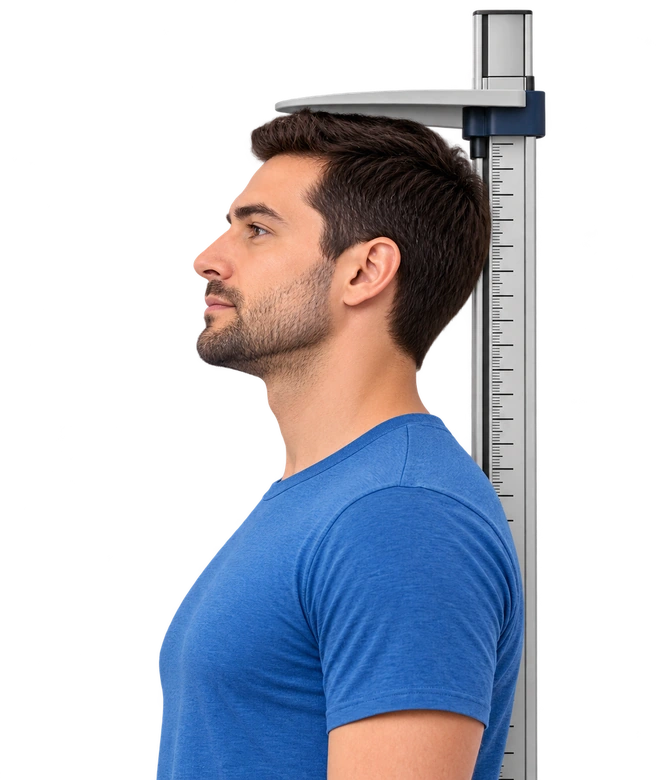
Use your measured standing height.

Review the full test with your clinician.
L
No resultNormality and severity require the appropriate LLN, z-score and full spirometry.
100% is the predicted mean, not a pass/fail threshold.
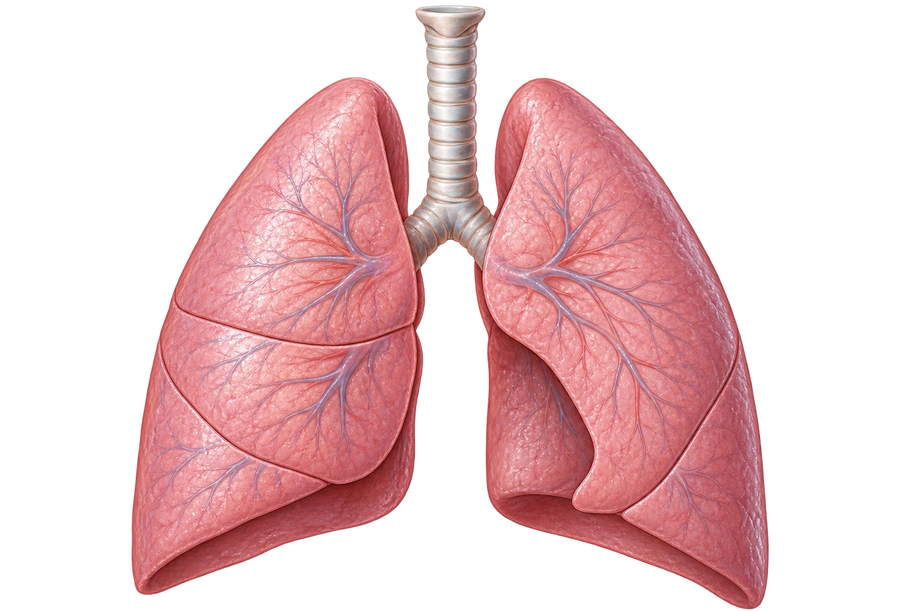
Use FEV1/FVC for airflow patterns. Restriction needs lung-volume assessment.
Male: 0.043 × height(cm) − 0.029 × age − 2.49
Female: 0.0395 × height(cm) − 0.025 × age − 2.60
Enter values to calculate.
ERS/ECCS 1993 is a historical model. Results depend on the reference population and its validated limits.
The historical ERS/ECCS equations describe adults of European descent, aged 18–70, with height ranges 155–195 cm for males and 145–180 cm for females. For ages 18–25, an equation age of 25 is used (plateau convention). This tool does not apply an ethnicity multiplier and does not present this historical model as GLI Global or as a universal reference.
The ATS recommends a race-neutral approach using GLI Global rather than race/ethnicity-specific interpretation. For current clinical use, obtain the appropriate predicted value, LLN and z-score from a laboratory using the relevant reference equation. Laboratory mode here only uses the reference you enter; it does not reproduce the GLI engine.
The male and female coefficients belong to the historical equation. Patient characteristics and the reference model should be confirmed with the testing laboratory. Results outside the historical age or height range are not extrapolated; laboratory mode remains available.
Percent predicted = measured FEV1 ÷ unrounded reference ×100. Displayed liters have two decimals and percentage one decimal. The blue gauge is a linear 0–120% comparison; it is not a severity scale. Values above 120% keep their numeric percentage and cap only the marker. No measured value means no comparison marker or percentage.
Neither a fixed 80% cut-off nor FEV1 alone establishes normality or disease severity. Airflow obstruction requires the appropriate FEV1/FVC assessment, and restriction requires lung-volume confirmation. Spirometry quality, test conditions, symptoms and other clinical information matter. No LLN, z-score, disease diagnosis or treatment decision is generated here.
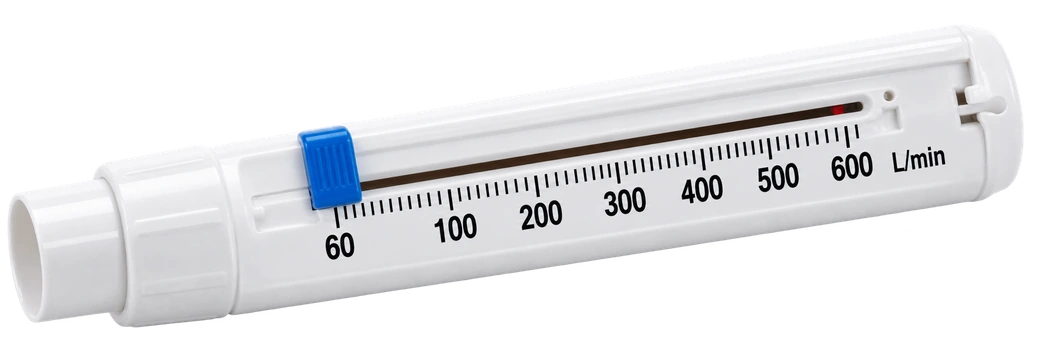
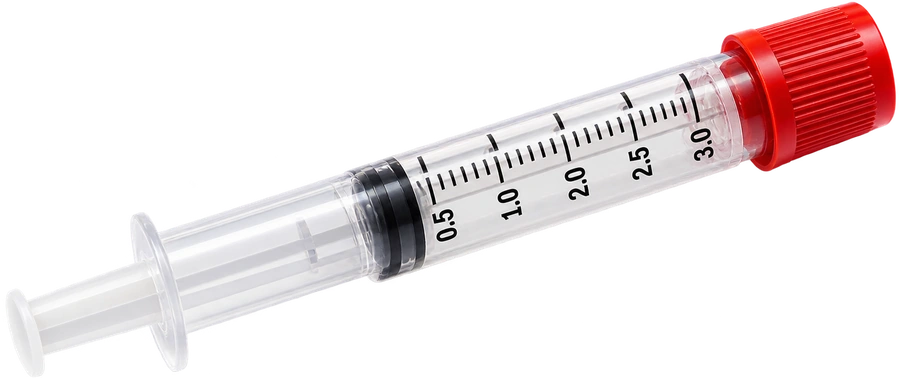
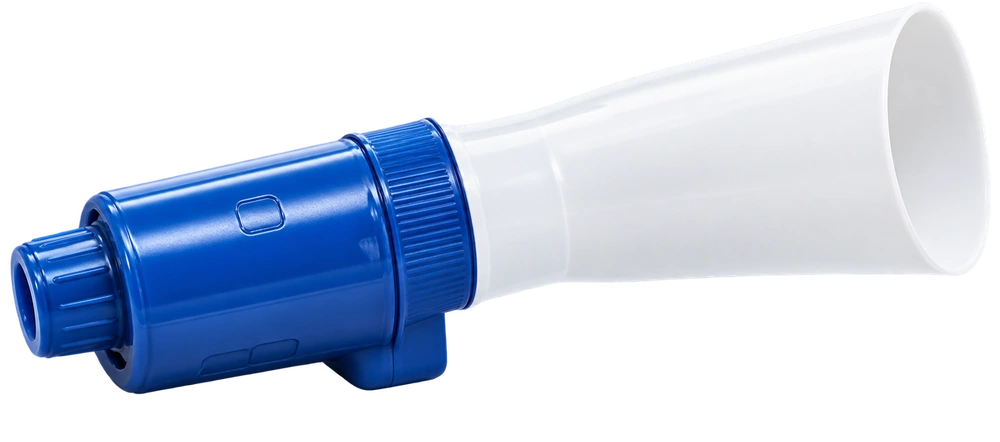
Laboratory reference entry 0.01–20 L and measured entry 0–20 L are numeric input safeguards, not clinical normal ranges. A zero measurement is displayed numerically without a severity diagnosis. The pictures are illustrations, not patient records or measuring devices.
Not necessarily. This is only the measured/reference percentage. A fixed 80% threshold does not reliably define normality across patients. Interpretation requires the appropriate lower limit of normal (LLN), z-scores, test quality and the rest of the spirometry assessment.
Laboratories may use modern GLI reference equations or another appropriate reference model. The demographic estimate on this page is a historical ERS/ECCS 1993 model with defined population and input limits. Enter the reference from your report in Laboratory reference mode to reproduce its percentage comparison.
No. Airflow obstruction requires an appropriate FEV1/FVC assessment. FEV1 alone also cannot confirm restriction, which requires lung volumes. No diagnosis or severity class is assigned by this calculator.
It divides your optional measured FEV1 by the positive predicted/reference FEV1 entered from your laboratory report. Demographic fields are not used in this mode, and no GLI equation, LLN or z-score is calculated. For example, measured 3.00 L divided by reference 3.50 L gives 85.7%.
References only. No institutional endorsement.
Choose a reference. Compare the measurement. Keep the clinical context.