Maximum Heart Rate Calculator
Compare Tanaka, 220-minus-age and Gellish linear predictions, see the age relationship, and understand the difference between an estimate and a measured maximum.
Calculation inputs
Treat the maximum as a source, not a guarantee
- 1Choose the named equation
The coefficient and source are shown openly; no formula is silently mixed with another.
- 2Enter adult age
The marker moves on the comparison chart when age changes.
- 3Keep individual limits clinical
Use a clinician-provided training limit when one has been established.
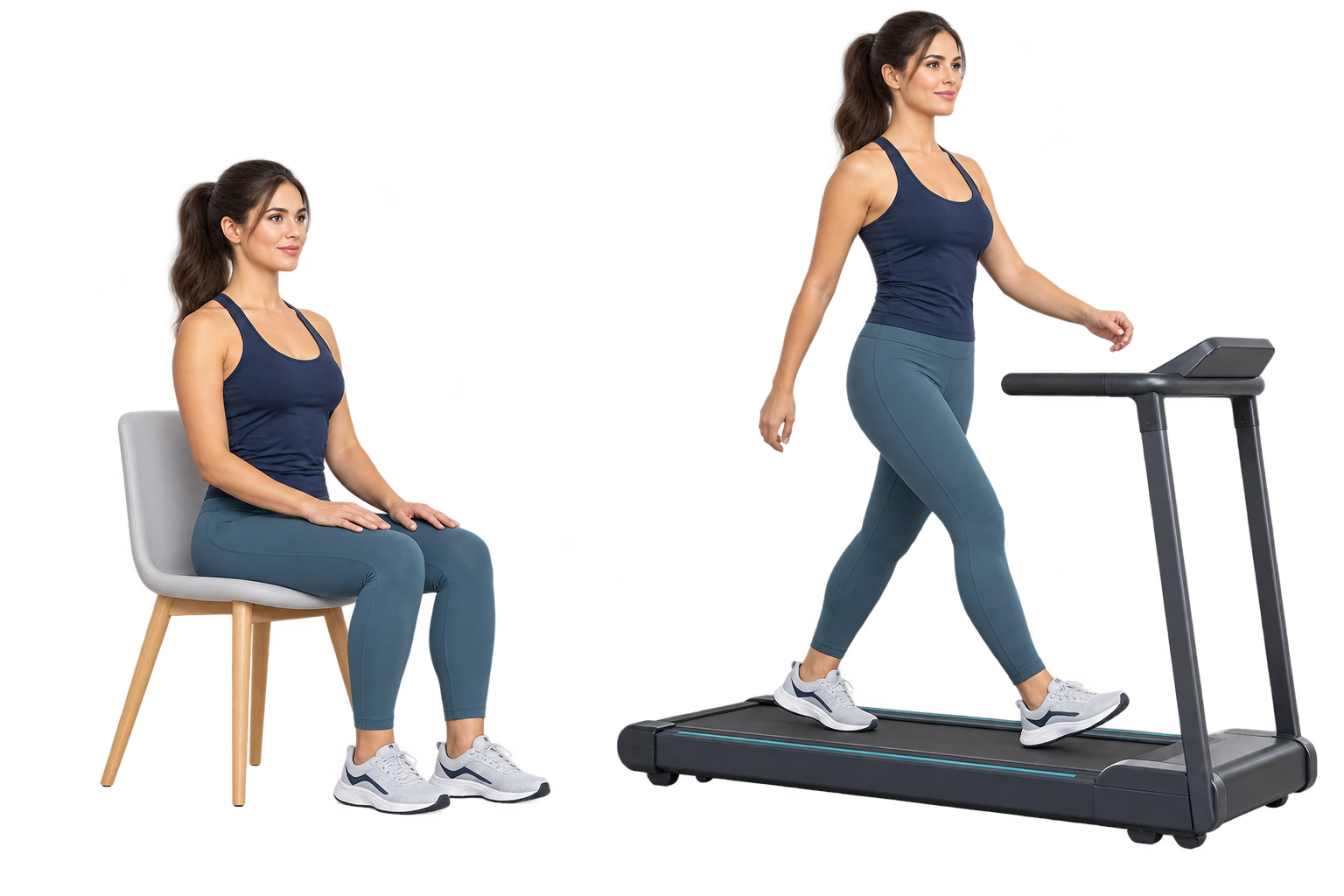
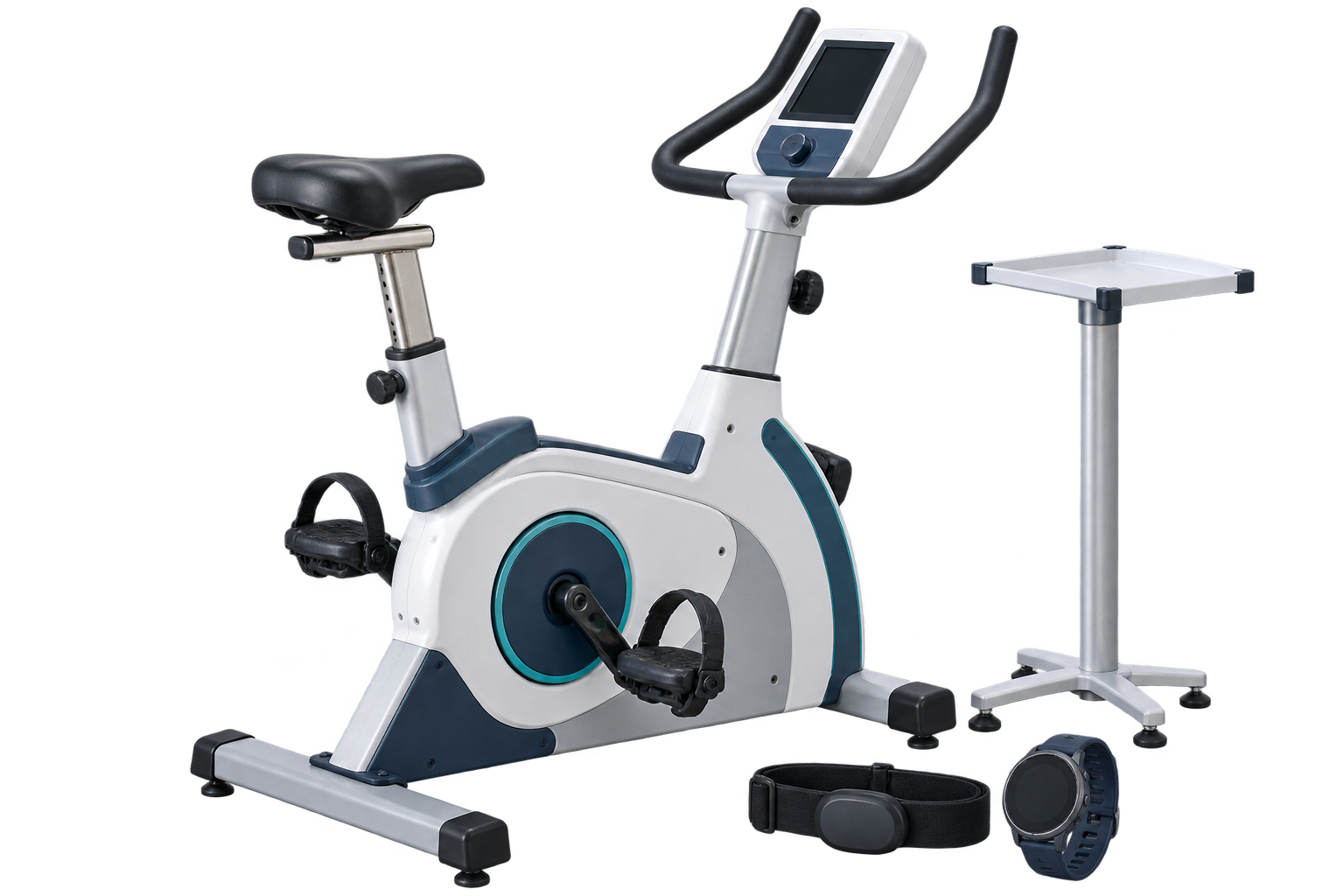
Measurement and method sources are linked below. Illustrations explain the workflow; they do not supply measurement data.
Compare the age-prediction equations
Compare the age-prediction equations

Calculation results
Step-by-step solution
Choose the formula
Substitute your measurements
Calculate in order
Write the result
Compare the model before using the number.
- 1Choose a population equation
208 − 0.7 × age
- 2Substitute your age
208 − 21
- 3Keep prediction and measurement separate
The result is 187 bpm; your measured maximum may differ.
Adult educational tool. Heart-rate medicines, rhythm disorders and medical conditions can change interpretation. Use clinician-set limits when you have them.
These are population predictions. Differences between equations are not an individual confidence interval. Do not perform a maximal exercise test to check this estimate.
Measurements & calculation details
| Quantity | Value |
|---|---|
| Age | 30 years |
| Selected equation | HRmax = 208 − 0.7 × age |
| Tanaka | 187 bpm |
| 220 − age | 190 bpm |
| Gellish linear | 186 bpm |
Try a worked example
Choose an example to load its measurements into the calculator. Each result uses the same calculation engine as your own inputs. Back to your calculation
Understand the calculation
Concept & meaning
Age-predicted HRmax is a population-model output. It is not a hard ceiling, a fitness score or a measurement of your own maximum. The comparison puts three named equations beside one another without claiming one is accurate for every person.
Formula & special cases
Tanaka uses 208 − 0.7 × age; the familiar estimate uses 220 − age; the Gellish linear form used here is 207 − 0.7 × age. The graph varies age only. Its distance between curves is an equation difference, not a personal uncertainty interval.
Scope & limitations
The supported adult age range is an interface bound, not evidence that each equation was validated at every age shown. Medicines, health status and individual variation matter. A maximal exercise assessment needs an appropriate professional setting; do not attempt one to verify this calculator.
Result from your current inputs
Age-predicted maximum heart rate: 187 bpm
Three equations, explicit assumptions
| Calculation | Formula | Interpretation |
|---|---|---|
| Tanaka | 208 − 0.7 × age | Population prediction |
| 220 − age | 220 − age | General age-based guide |
| Gellish linear | 207 − 0.7 × age | Linear model, not a personal limit |
Sources & References
 Tanaka, Monahan & Seals · 2001Age-predicted maximum heart rate in healthy adultsRead the referenceGellish et al. · 2007Longitudinal age/HRmax model · linear formRead the reference
 American Heart AssociationGeneral maximum and target-rate contextRead the reference
References document the methods and their limitations; links and logos do not imply institutional endorsement or expert review.