Heart Rate Recovery Calculator
Compare end-exercise heart rate with recorded one- and two-minute readings, keep the recovery protocol visible, and inspect the measured time points.
Calculation inputs
Record time points consistently
- 1Mark the end of exercise
Use the same baseline definition each session.
- 2Read at the stated times
Record one or two minutes after stopping the exercise phase; do not mix delays.
- 3Keep protocol notes
Compare like-for-like active or passive recovery under professional guidance when needed.
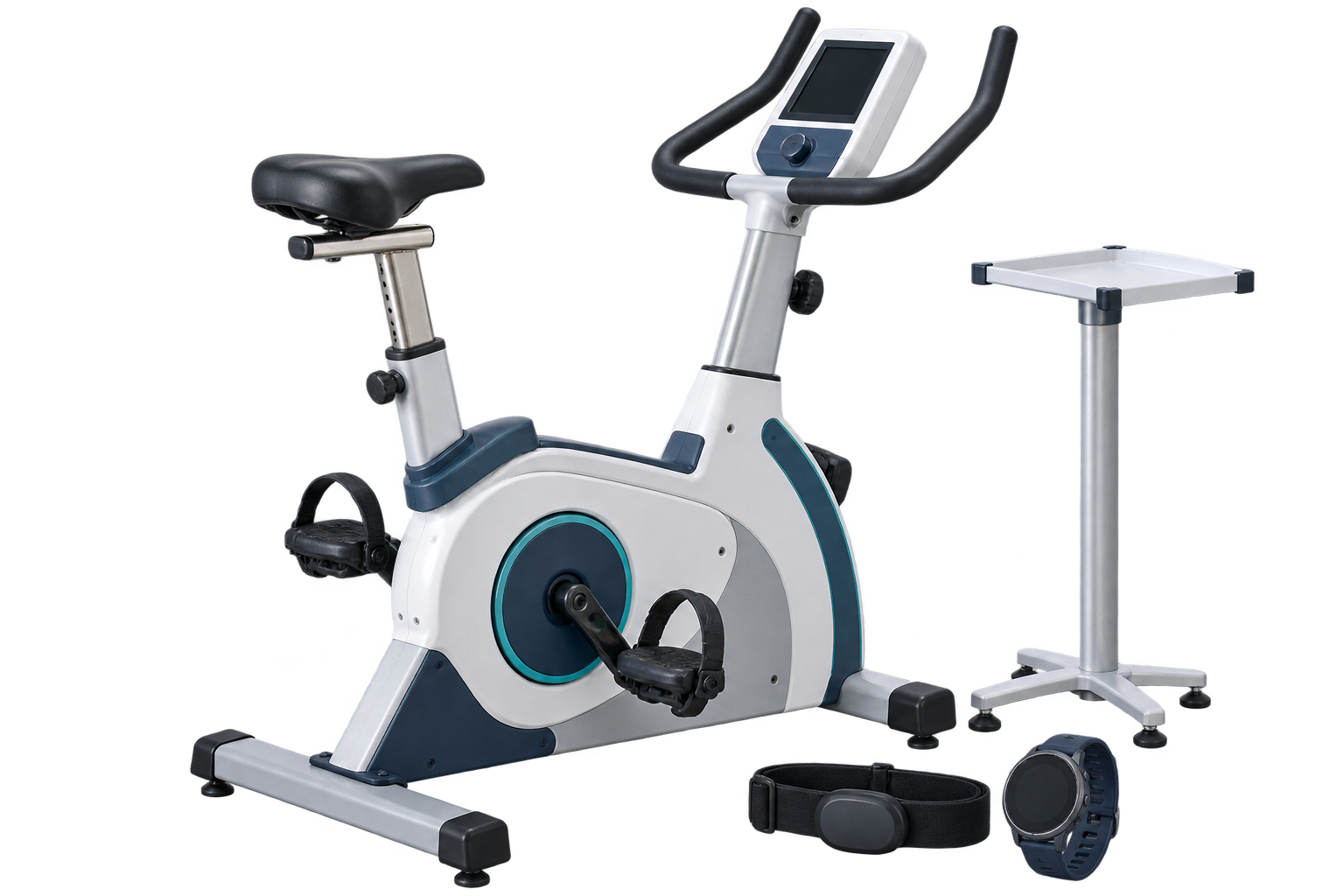
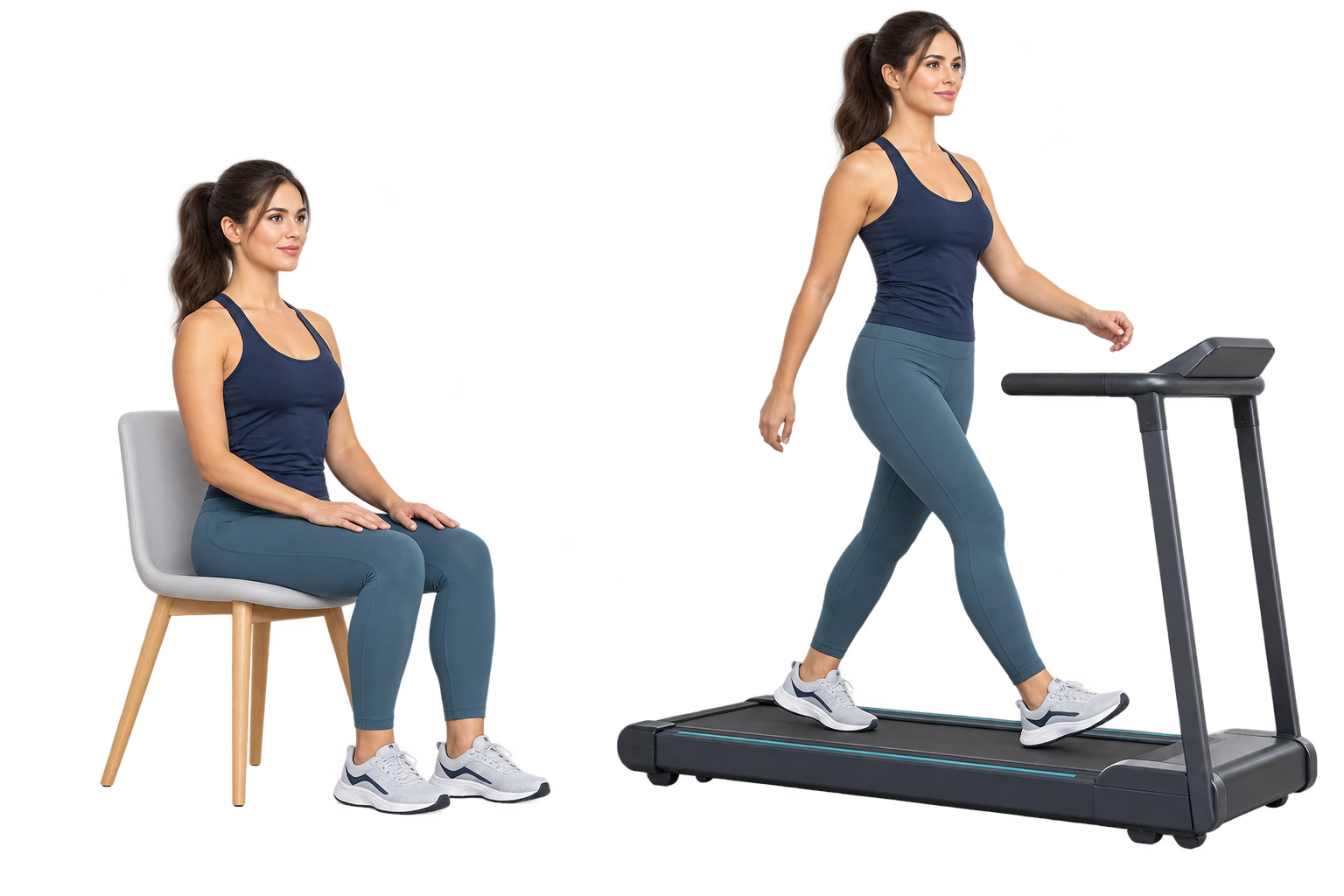
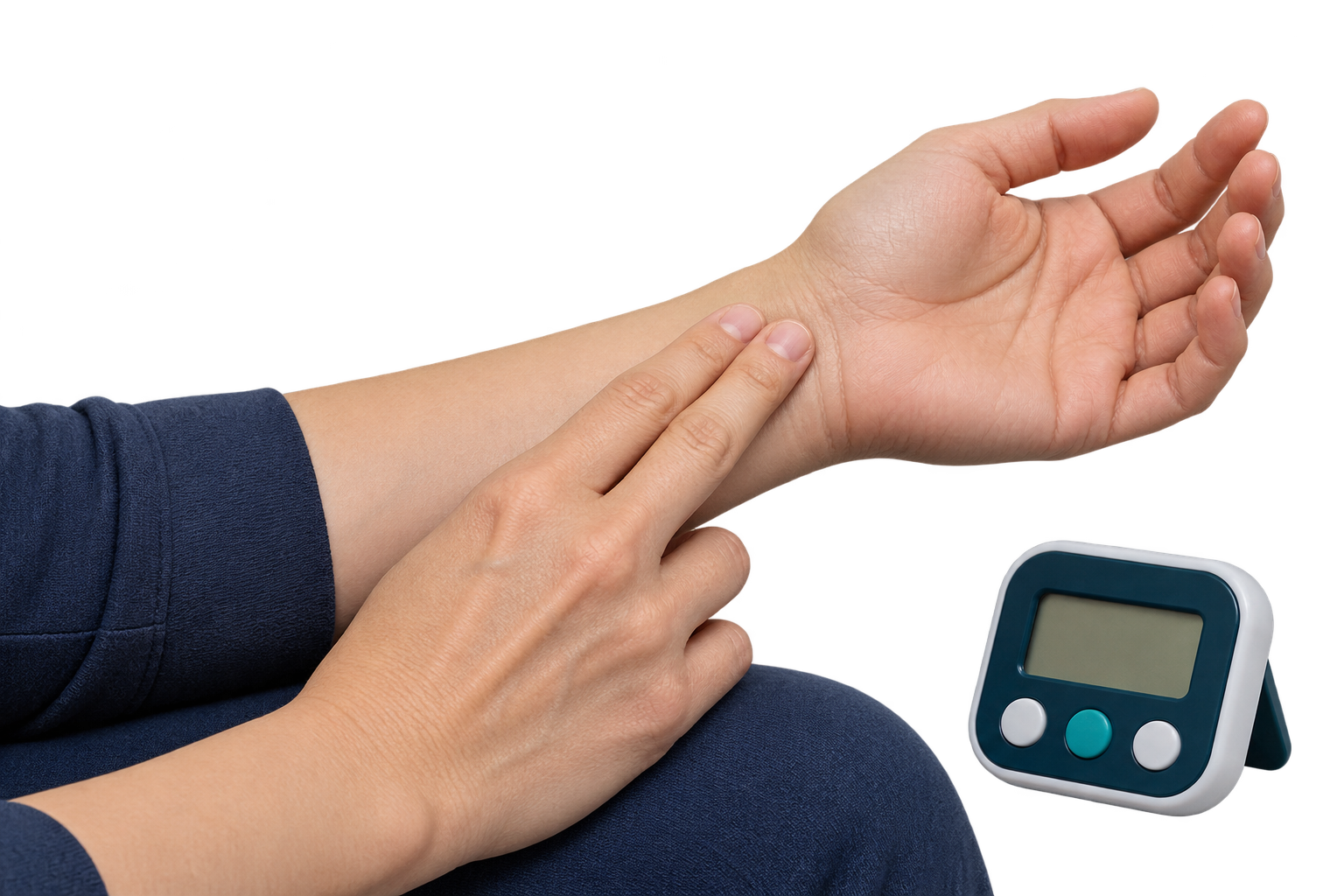
Measurement and method sources are linked below. Illustrations explain the workflow; they do not supply measurement data.
Recorded recovery timeline
Recorded recovery timeline
Straight lines connect the entered readings for orientation. They do not reconstruct the continuous physiological recovery curve.

Calculation results
Step-by-step solution
Choose the formula
Substitute your measurements
Calculate in order
Write the result
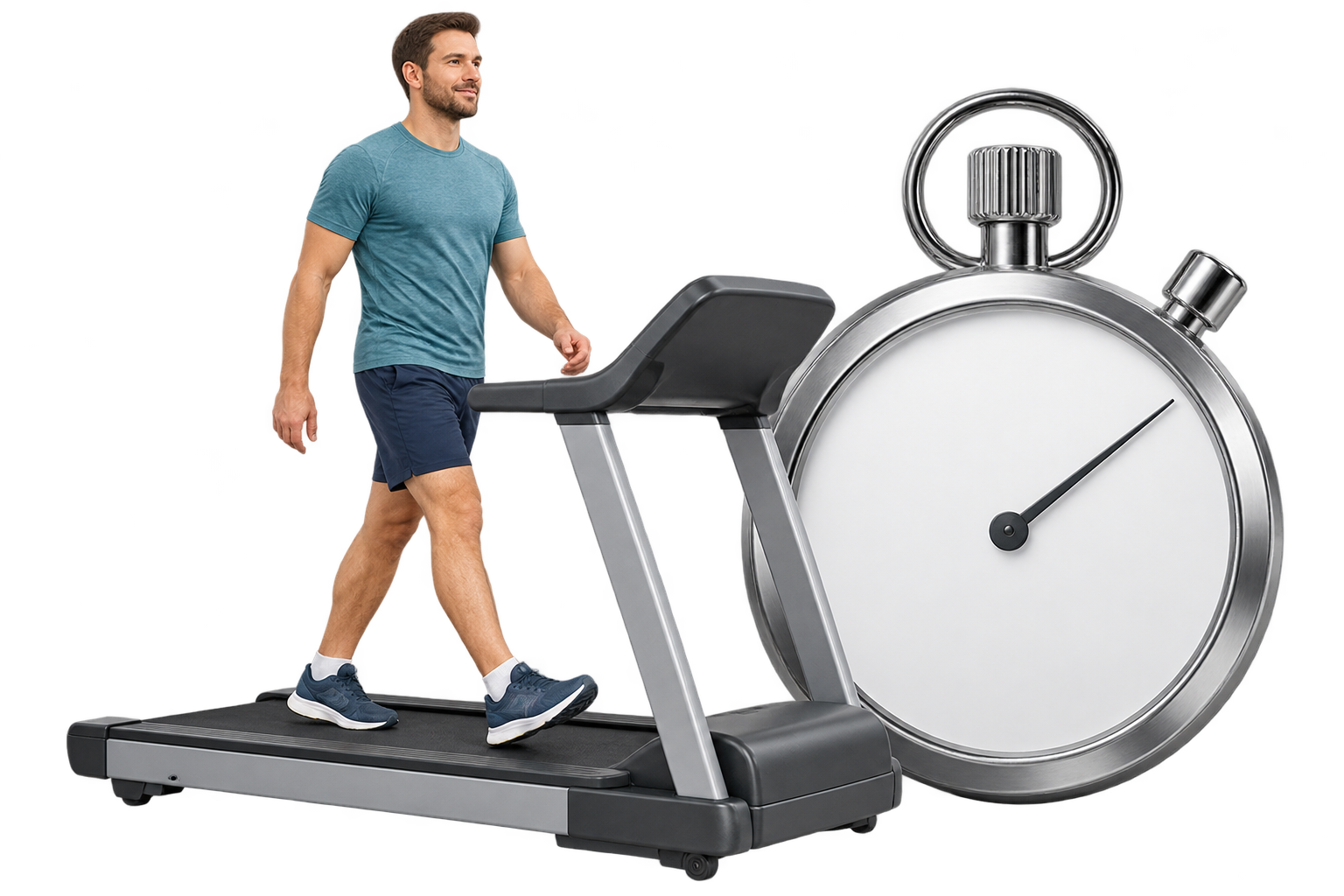
Use the clock as well as the heart-rate reading.
- 1Start with the end-exercise / peak reading
160 bpm at time 0
- 2Use the matching time point
One minute later: 130 bpm
- 3Subtract; do not compare different protocols
160 − 130 = 30 bpm
Adult educational tool. Heart-rate medicines, rhythm disorders and medical conditions can change interpretation. Use clinician-set limits when you have them.
Active and passive recovery, timing and exercise protocols yield different results. No universal good/bad cutoff or clinical risk score is assigned.
Measurements & calculation details
| Quantity | Value |
|---|---|
| Protocol | active |
| End-exercise reading | 160 bpm |
| 1-minute reading | 130 bpm |
| 1-minute recovery | 30 bpm |
Try a worked example
Choose an example to load its measurements into the calculator. Each result uses the same calculation engine as your own inputs. Back to your calculation
Understand the calculation
Concept & meaning
Heart-rate recovery here is a difference: the peak or end-exercise rate minus a later recorded rate. The time point belongs in the result label. A two-minute value should not be compared directly with a one-minute threshold.
Formula & special cases
For each selected time, subtract the reading from the same end-exercise baseline. Negative recovery is preserved if the later reading is higher. This flags the measurement context for checking; it is not silently changed to zero.
Scope & limitations
Active cool-down and passive recovery are different protocols. Exercise type, timing, medicines and device error affect comparison. The plotted lines only connect entered points, and do not estimate the continuous curve or predict later recovery.
Result from your current inputs
One-minute heart-rate recovery: 30 bpm
Keep the clock and the protocol attached
| Calculation | Formula | Interpretation |
|---|---|---|
| 1-minute recovery | Peak − HR at 60 seconds | Use a one-minute interpretation only |
| 2-minute recovery | Peak − HR at 120 seconds | Not interchangeable with one minute |
| Protocol | Active / passive / unspecified | Record consistently |
Sources & References
 Cole et al. · 1999Peak minus one-minute post-exercise rateRead the referenceBarak et al. · 2011Effects of different recovery protocolsRead the reference
 American Heart Association · pulseResting pulse measurement and symptomsRead the reference
References document the methods and their limitations; links and logos do not imply institutional endorsement or expert review.