Target Heart Rate Calculator
Calculate a target using either heart-rate reserve or a percentage of maximum, compare the two denominators, and keep your maximum source explicit.
Calculation inputs
Check the method before the percentage
- 1Use the appropriate maximum source
A supplied value and an age prediction are different kinds of input.
- 2Enter a calm resting measurement
The same resting baseline is used throughout the comparison.
- 3Apply the named denominator
The selected card determines whether the percentage means reserve or maximum.
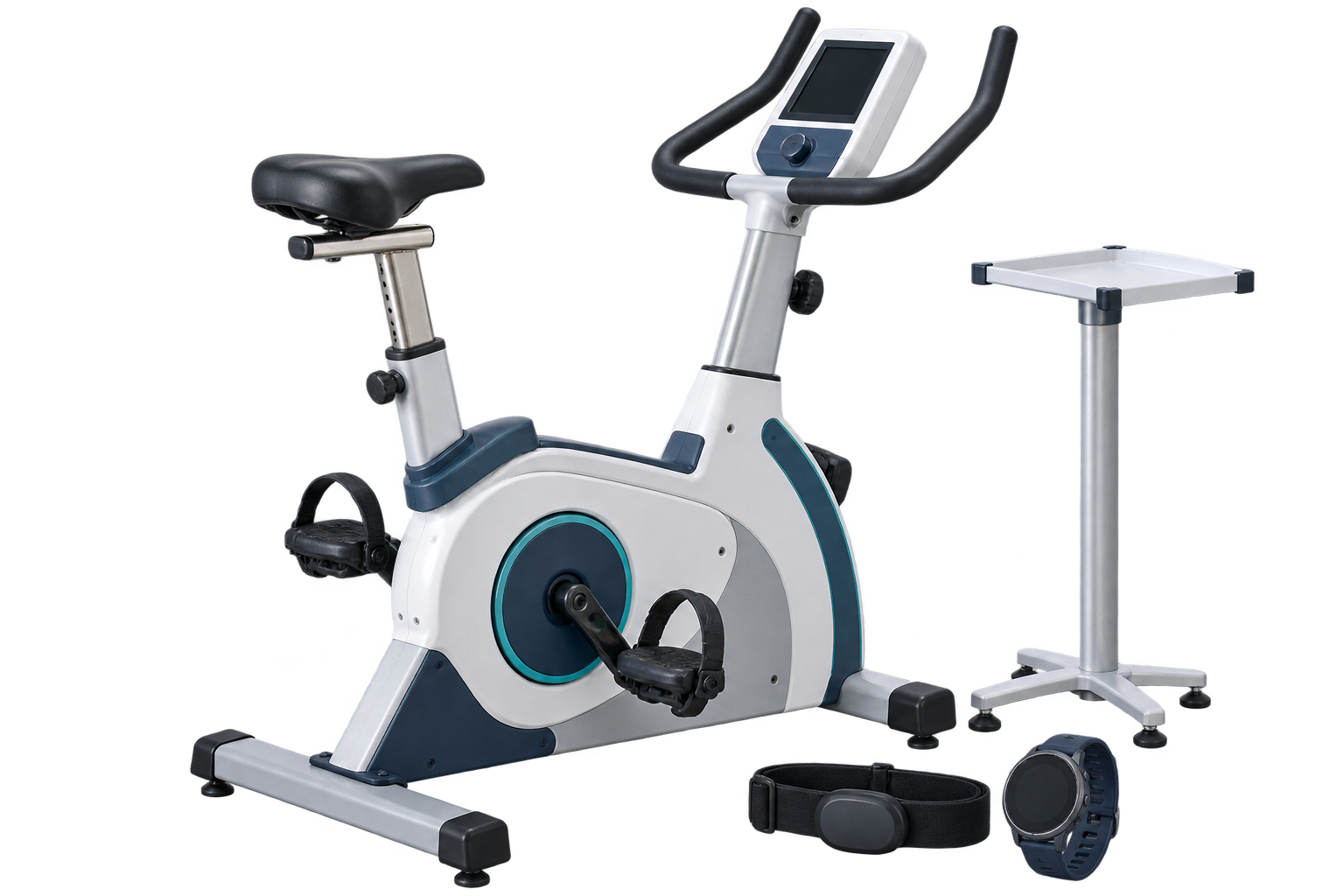
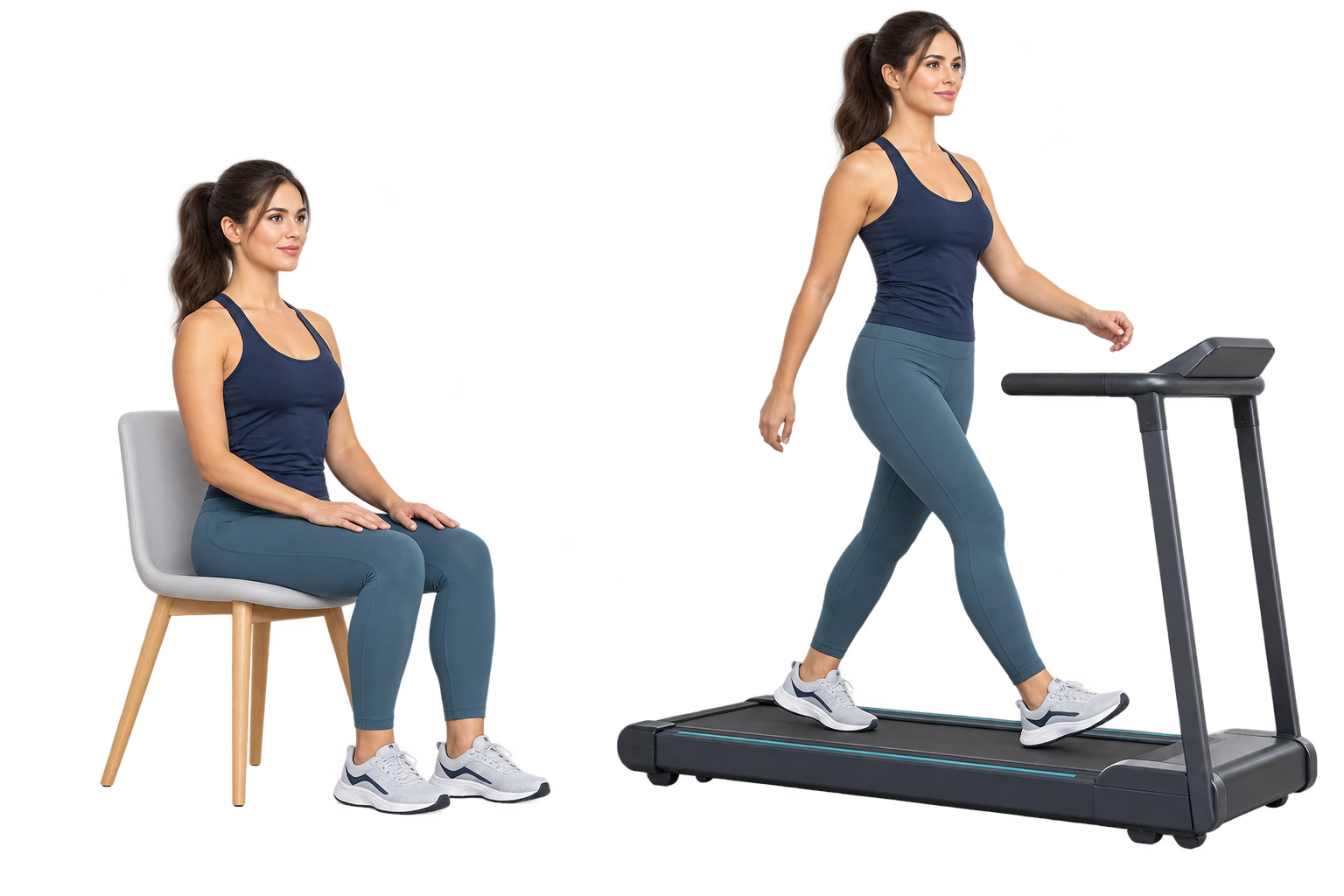
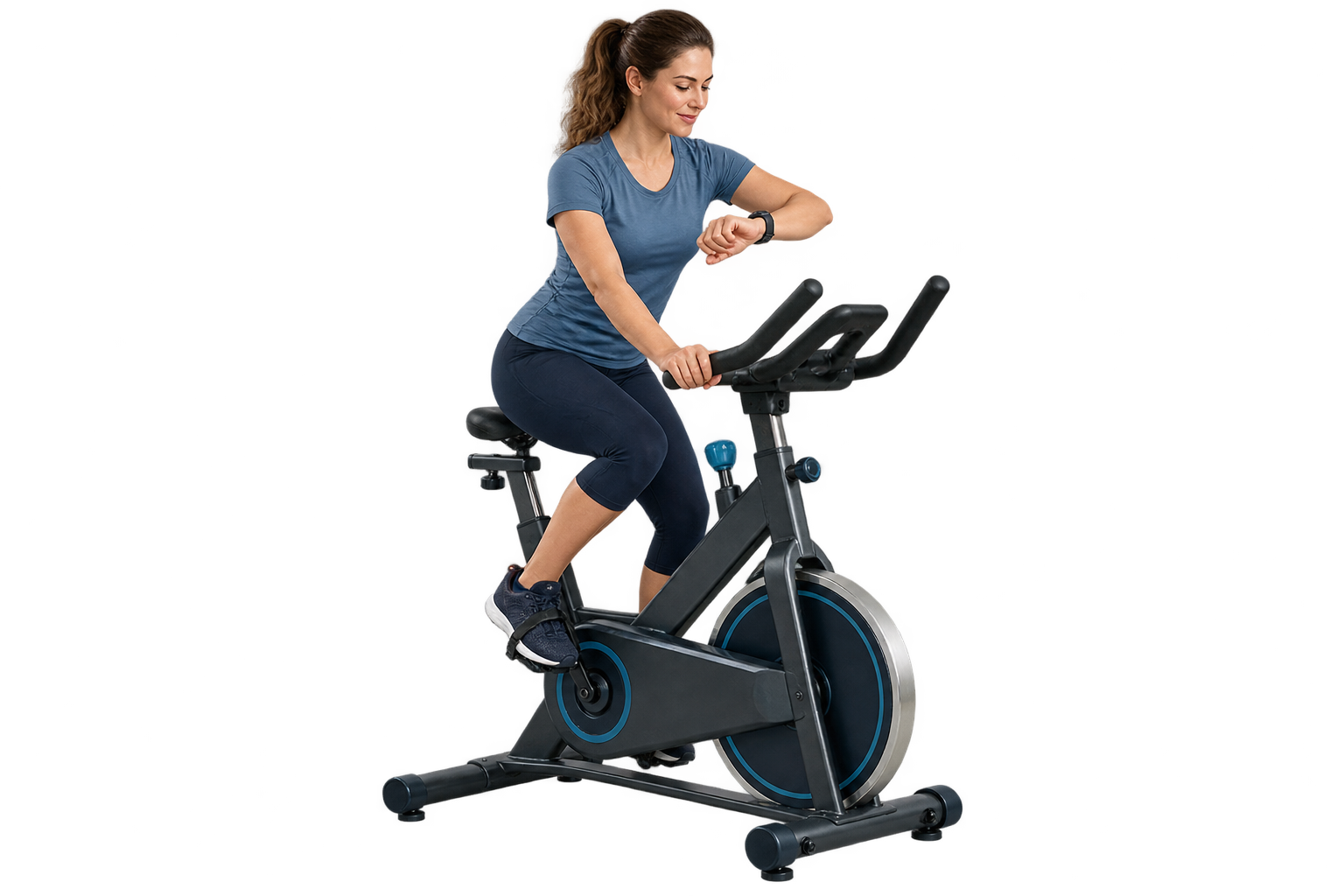
Measurement and method sources are linked below. Illustrations explain the workflow; they do not supply measurement data.
Compare reserve with percentage of maximum
Compare reserve with percentage of maximum
The reserve diagram shows the HRR calculation. At the same numerical percentage, %HRmax gives 123.5 bpm and %HRR gives 146.3 bpm.

Calculation results
Step-by-step solution
Choose the formula
Substitute your measurements
Calculate in order
Write the result
Start at resting HR, then add part of the reserve.
- 1Establish the maximum source
Entered maximum: 190 bpm
- 2Separate baseline and reserve
190 − 65 = 125 bpm
- 3Apply the selected denominator
65 + (190 − 65) × 65/100 = 146.3 bpm
Adult educational tool. Heart-rate medicines, rhythm disorders and medical conditions can change interpretation. Use clinician-set limits when you have them.
Intensity percentages are calculation inputs, not a prescribed training plan. %HRR and %HRmax are different denominators; their numerical percentages are not interchangeable.
Measurements & calculation details
| Quantity | Value |
|---|---|
| Maximum source | Entered measurement |
| Maximum HR | 190 bpm |
| Resting HR | 65 bpm |
| Reserve | 125 bpm |
| Selected intensity | 65% |
| Selected method | Heart-rate reserve |
| Calculated target | 146.3 bpm |
Try a worked example
Choose an example to load its measurements into the calculator. Each result uses the same calculation engine as your own inputs. Back to your calculation
Understand the calculation
Concept & meaning
A target-rate calculation is a way to express intensity, not an individualized exercise prescription. This page makes the denominator visible and lets you compare outputs at the same numerical percentage.
Formula & special cases
Karvonen uses resting + (maximum − resting) × p/100. The maximum method uses maximum × p/100. Their difference is resting × (1 − p/100). Resting HR remains an input to support this comparison and check that the entered maximum exceeds it.
Scope & limitations
General guidance such as AHA percentage-of-maximum ranges is not the same as a percentage of reserve. Choose the method specified by your exercise professional. Predicted maximum values inherit model error; medicines and medical conditions may require another way to guide intensity.
Result from your current inputs
Target heart rate calculation: 146.3 bpm
Same percentage, different denominator
| Calculation | Formula | Interpretation |
|---|---|---|
| %HRR | Rest + (max − rest) × p/100 | The resting baseline is added back |
| %HRmax | Max × p/100 | The percentage uses maximum directly |
| Difference | Rest × (1 − p/100) | Mathematical, not a personalized intensity conversion |
Sources & References
 ASPC clinical practice statement · 2022Reserve-based versus maximum-based exercise intensityRead the reference
 American Heart AssociationGeneral maximum and target-rate contextRead the reference
References document the methods and their limitations; links and logos do not imply institutional endorsement or expert review.